Walk into any hardware or trade supplier and you can pick up a length of RHS, a flat bar or a steel beam. That raw material is useful, but on its own it won't build a staircase, frame a carport or form a custom gate. This is where a lot of builders and property owners hit a fork in the road, and understanding the difference between
steel supplies on the Sunshine Coast and a full steel fabrication service is worth getting clear on before a project begins. The two are related but they serve quite different purposes, and knowing which one your project actually needs can save time, money and a fair amount of frustration.
What Steel Supplies Actually Are
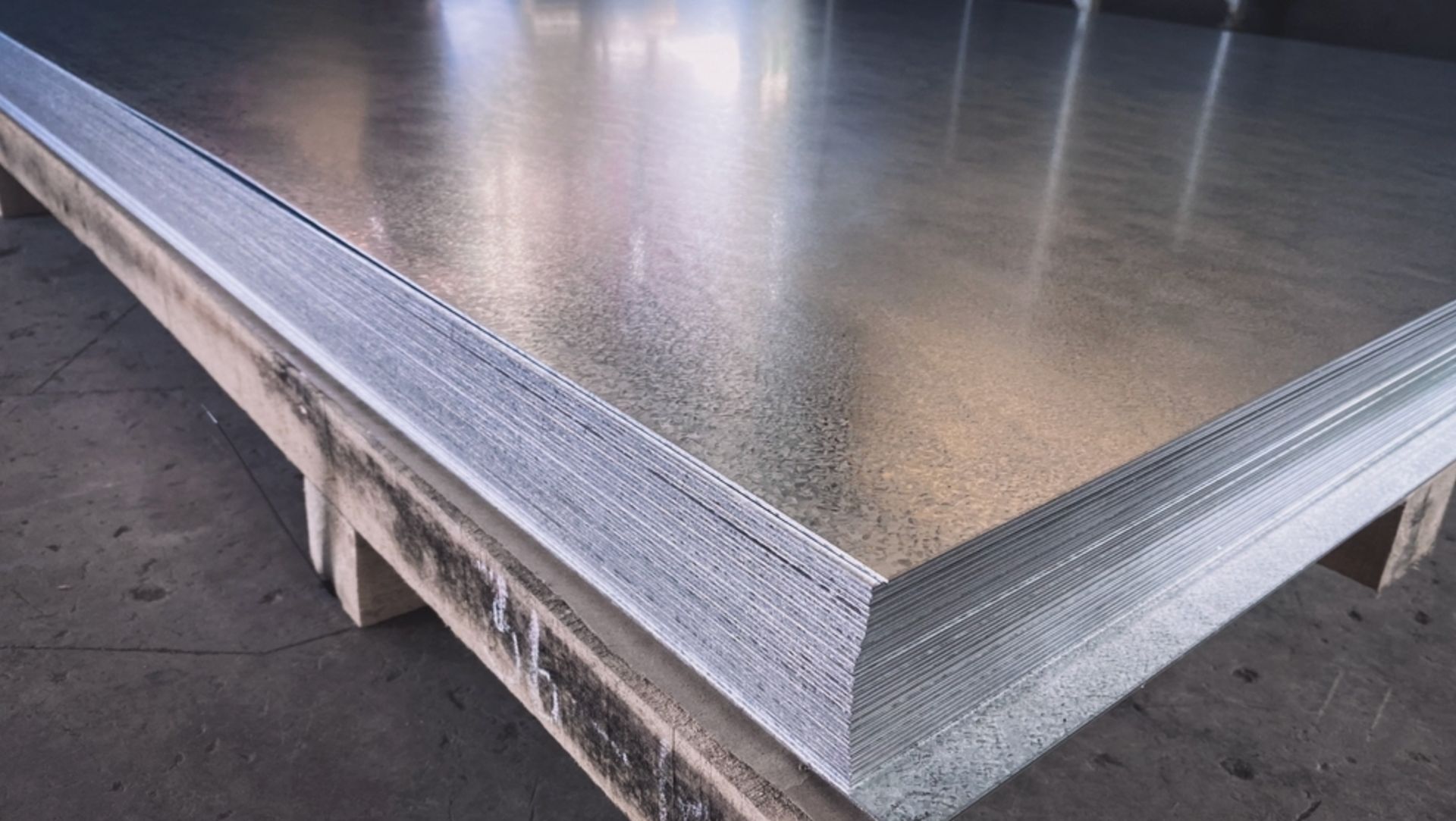
Steel supplies refer to the raw or pre-cut steel materials sold for use in construction and manufacturing. They are the starting point, not the finished product.
Common forms of steel supply include:
- Structural sections such as beams, columns, channels and angles
- Flat bars, square bars and round bars
- Hollow sections including RHS and SHS
- Steel plates and sheet material
- Stair stringers and other pre-formed components
These materials are available in standard lengths and profiles, and while some suppliers will cut to size, they are generally not shaped, welded or finished to suit a specific design. They are raw inputs waiting to be worked.
What Fabrication Actually Involves
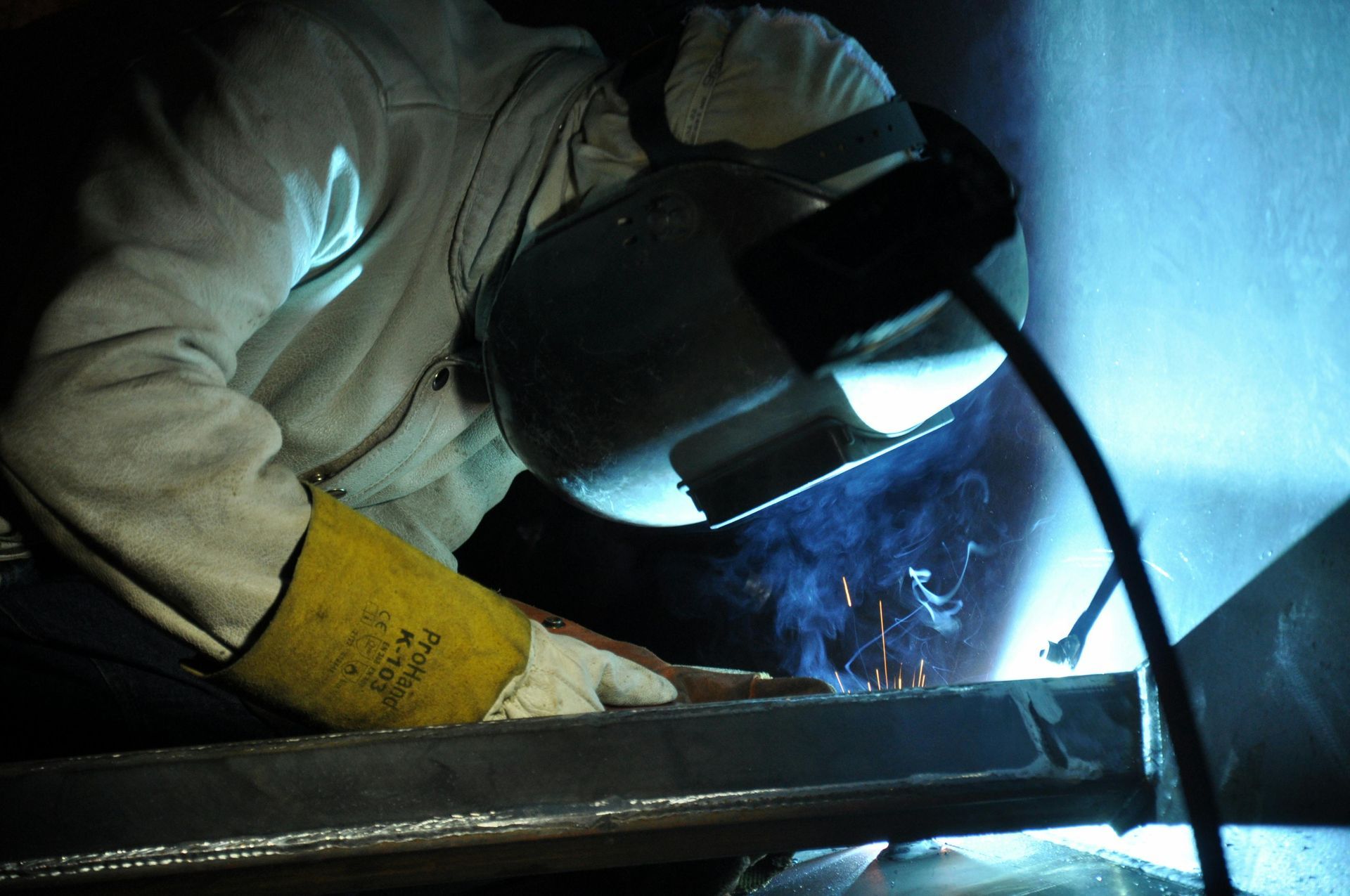
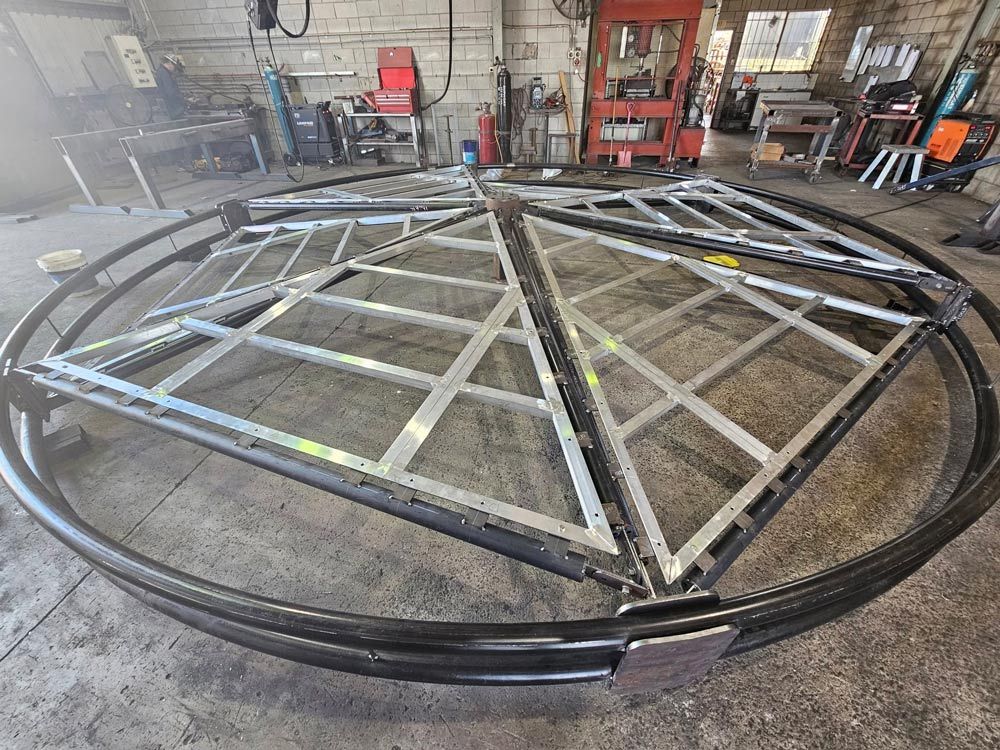
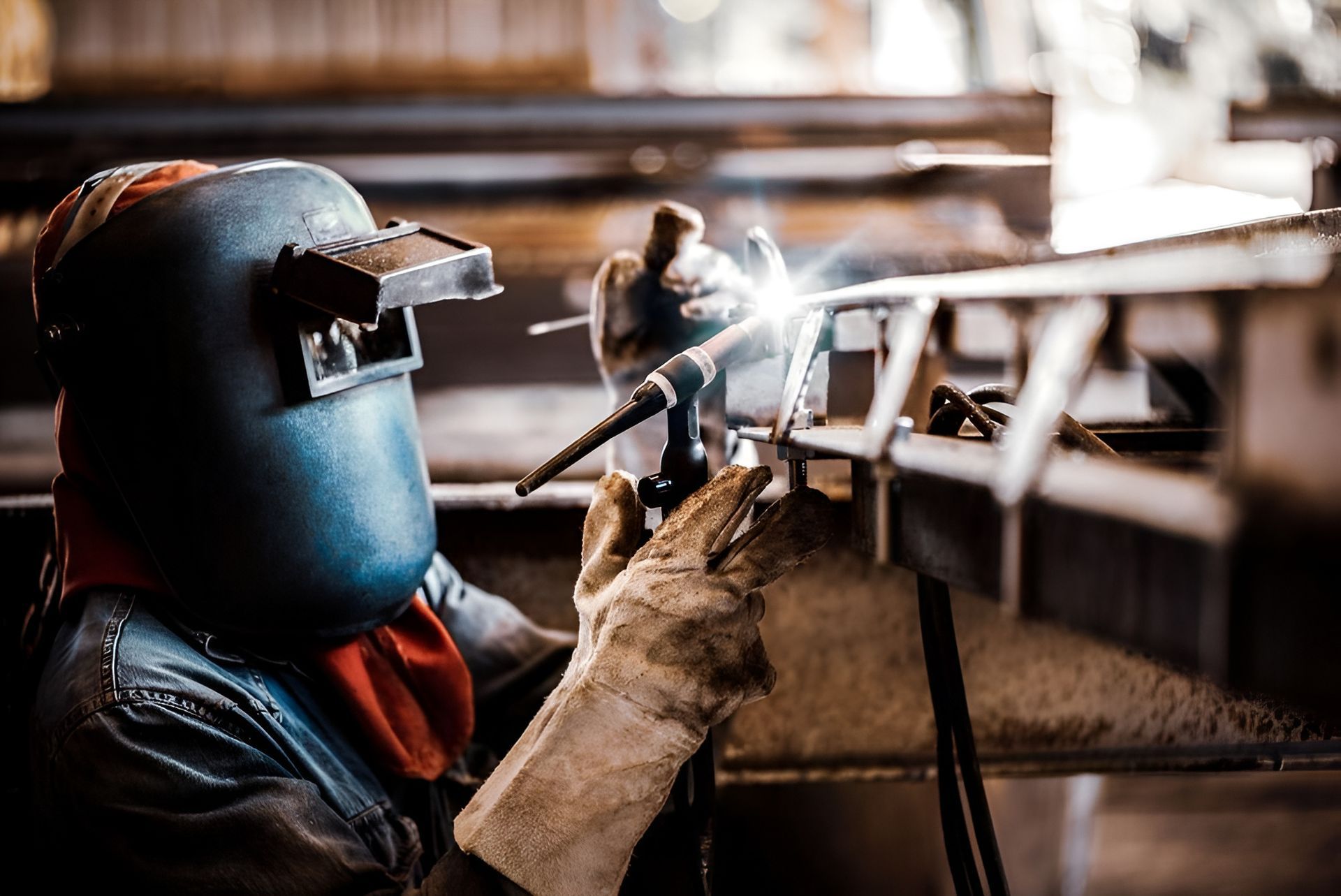
Steel fabrication is the process of transforming those raw materials into functional, site-ready components built to a specific design. It requires skilled tradespeople, precision machinery and detailed drawings to execute properly.
Fabrication typically encompasses:
- Cutting and profiling steel to exact dimensions
- Welding components together to form structural assemblies
- CNC drilling for bolt connections and fixings
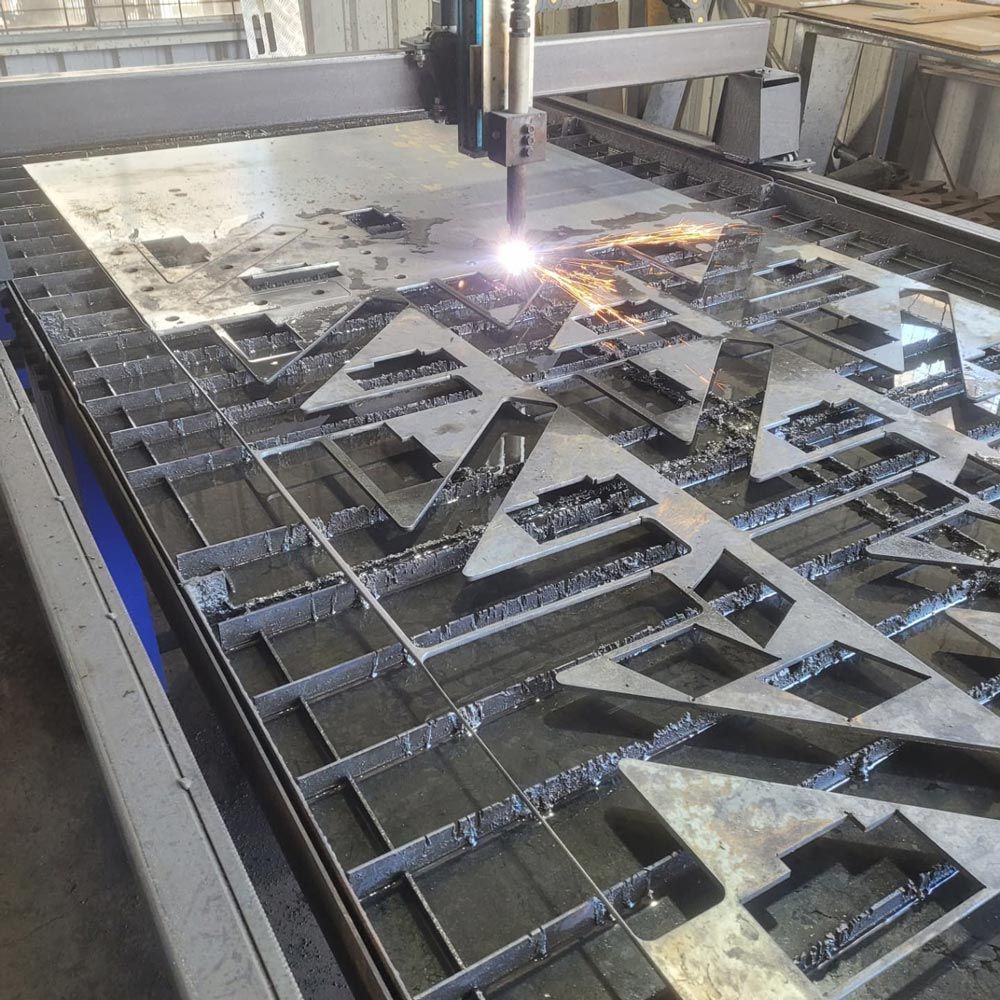
- CNC plasma cutting for intricate shapes or patterns
- Fitting and finishing before delivery or installation
Without fabrication, raw steel has no context. It is just material. With it, those lengths and sections become beams, frames, balustrades, gates and everything in between.
Why the Distinction Matters for Your Project
A builder ordering steel supplies assumes they or their team will take those materials and do something with them. Engaging a steel fabrication service means that step is handled for you, to a set of approved plans and tolerances.
The distinction matters because:
- A supply-only approach works when you have the trade capacity to cut, weld and finish on site
- Fabrication suits projects where precision, structural integrity or custom design is non-negotiable
- Off-the-shelf supply cannot replicate custom-dimensioned components
- Fabricated steel arrives ready to install, reducing on-site labour and the potential for errors
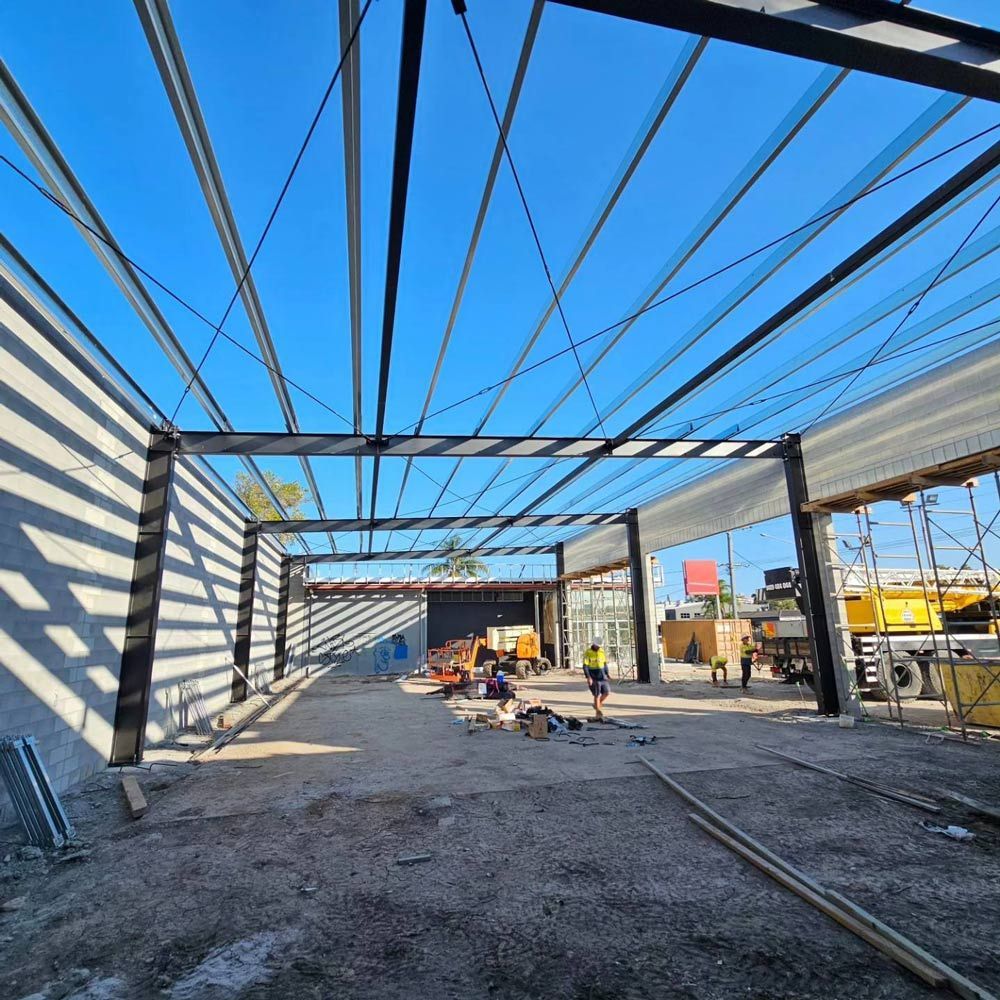
- For commercial builds especially, fabricated components must meet strict compliance requirements
Getting this wrong early in a project can mean costly rework or components that simply don't fit the design intent.
When Supply Alone Is Sufficient
There are genuine scenarios where sourcing steel supplies without a full fabrication service is the right call. It depends entirely on the nature of the work and who is doing it.
Supply-only tends to make sense when:
- A tradie needs standard sections to complete their own in-field welding
- A DIY project involves simple cuts and basic assembly
- The specification calls for off-the-shelf profiles with no custom dimensioning
- Materials are being stockpiled for a larger staged project
- Replacement lengths are needed to match existing site conditions
In these cases, accessing quality
steel supplies on the Sunshine Coast from a business that also fabricates is a practical advantage, because the same yard supplying the material understands what the material is for.
The Role of Drawings and Specifications
One of the clearest signals that a project needs fabrication rather than supply is the presence of engineering drawings or detailed specifications. Those documents exist because the steel elements need to be made to exact tolerances.
Good fabrication relies on accurate plans for several reasons:
- 3D detailing software such as Tekla produces precise models that eliminate guesswork
- Connection details must be correct for structural sign-off
- Hole positions for bolting need to align across multiple components
- Cuts and welds follow a defined sequence to maintain dimensional accuracy
- Any deviation from the drawings can compromise the broader structure
Handing a drawing to a steel supplier who only sells lengths will not get you a fabricated outcome. That work needs a fabrication workshop with the right equipment and expertise.
How Protective Coatings Fit Into the Process
Fabricated steel is rarely delivered bare. Once components are shaped and welded, they typically need a protective coating before they can be installed in a building or outdoor environment.
Protective coatings applied post-fabrication serve a number of functions:
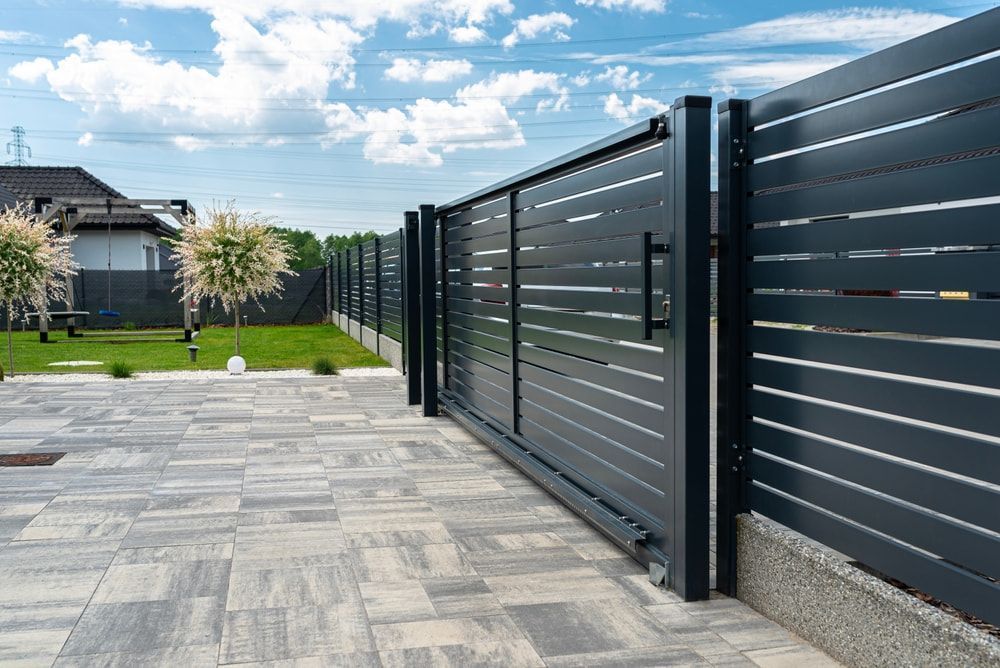
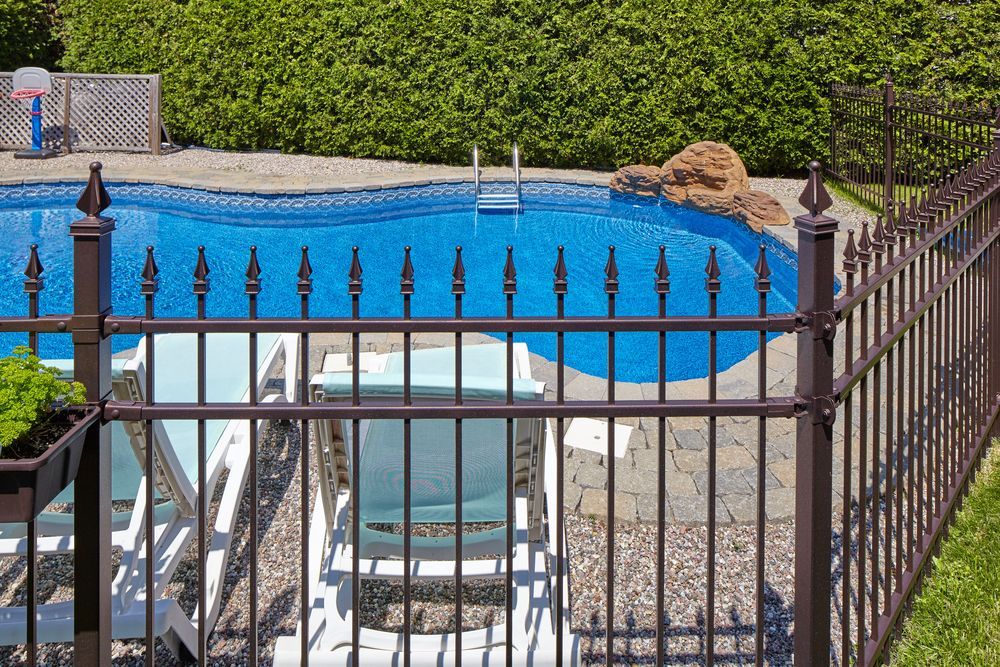
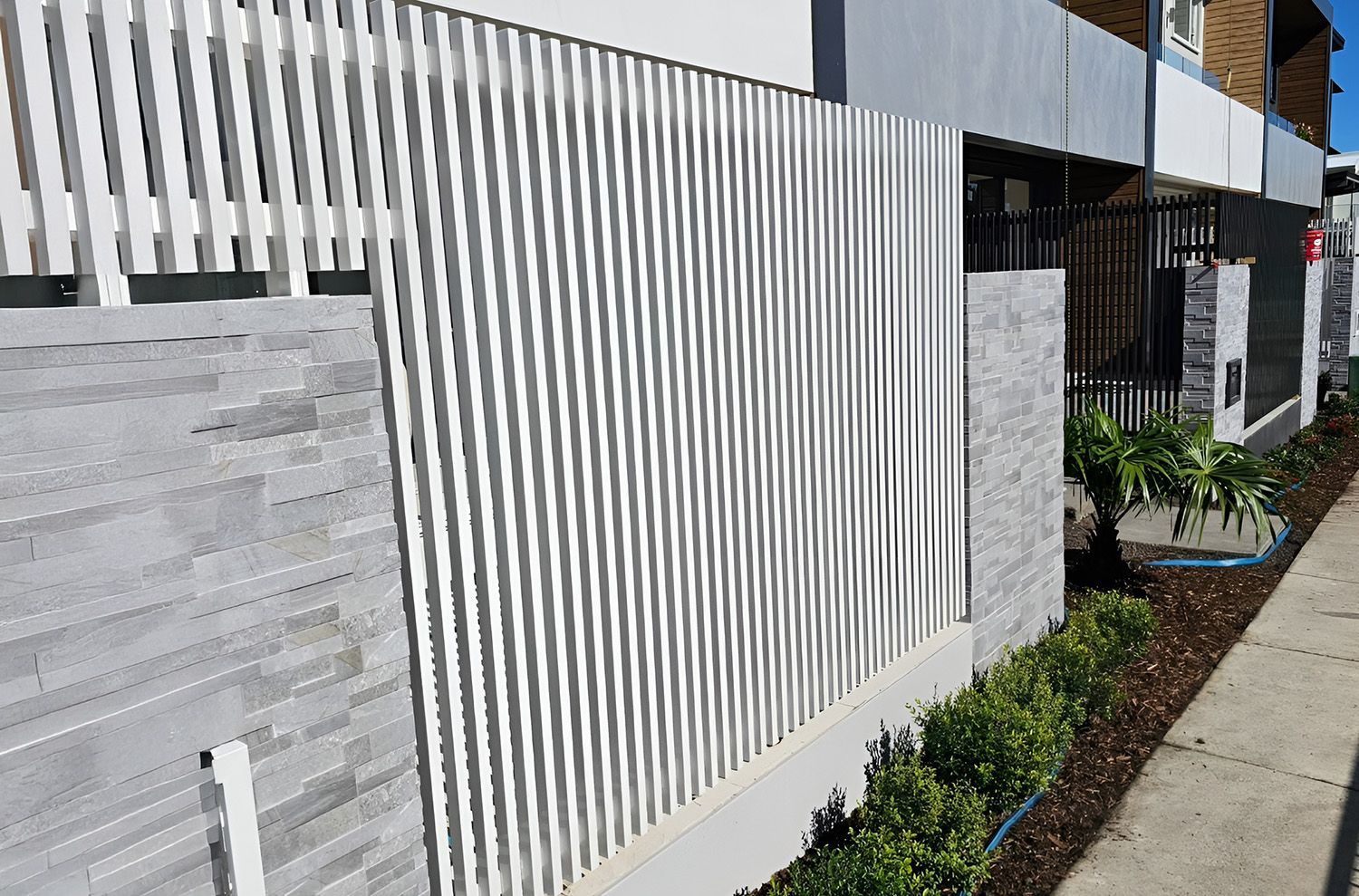
- Powder coating provides a durable, colour-consistent finish for gates, screens and balustrades
- Abrasive blasting and painting prepares structural steel for long-term corrosion resistance
- Galvanising protects steel exposed to moisture, salt air or direct weather
- Coating steel after fabrication ensures all cut edges and weld zones are protected
- A finished, coated component is genuinely site-ready rather than requiring further treatment on arrival
When steel supplies and
steel fabrication on the Sunshine Coast are handled in the same workshop, coating becomes a natural next step in a single coordinated process rather than a separate engagement.
Domestic vs Commercial Steel Fabrication Needs
The line between supply and fabrication also differs depending on whether a project is residential or commercial. Both sectors use steel, but the complexity and compliance requirements vary significantly.
Key differences between domestic and commercial fabrication include:
- Commercial projects typically require engineered drawings, certifications and third-party compliance
- Domestic projects often involve custom one-off items such as stair stringers, fire pits, handrails or gate frames
- Residential builds may mix supply and fabrication depending on what is being built
- Commercial builds generally cannot use standard off-the-shelf lengths without some degree of modification
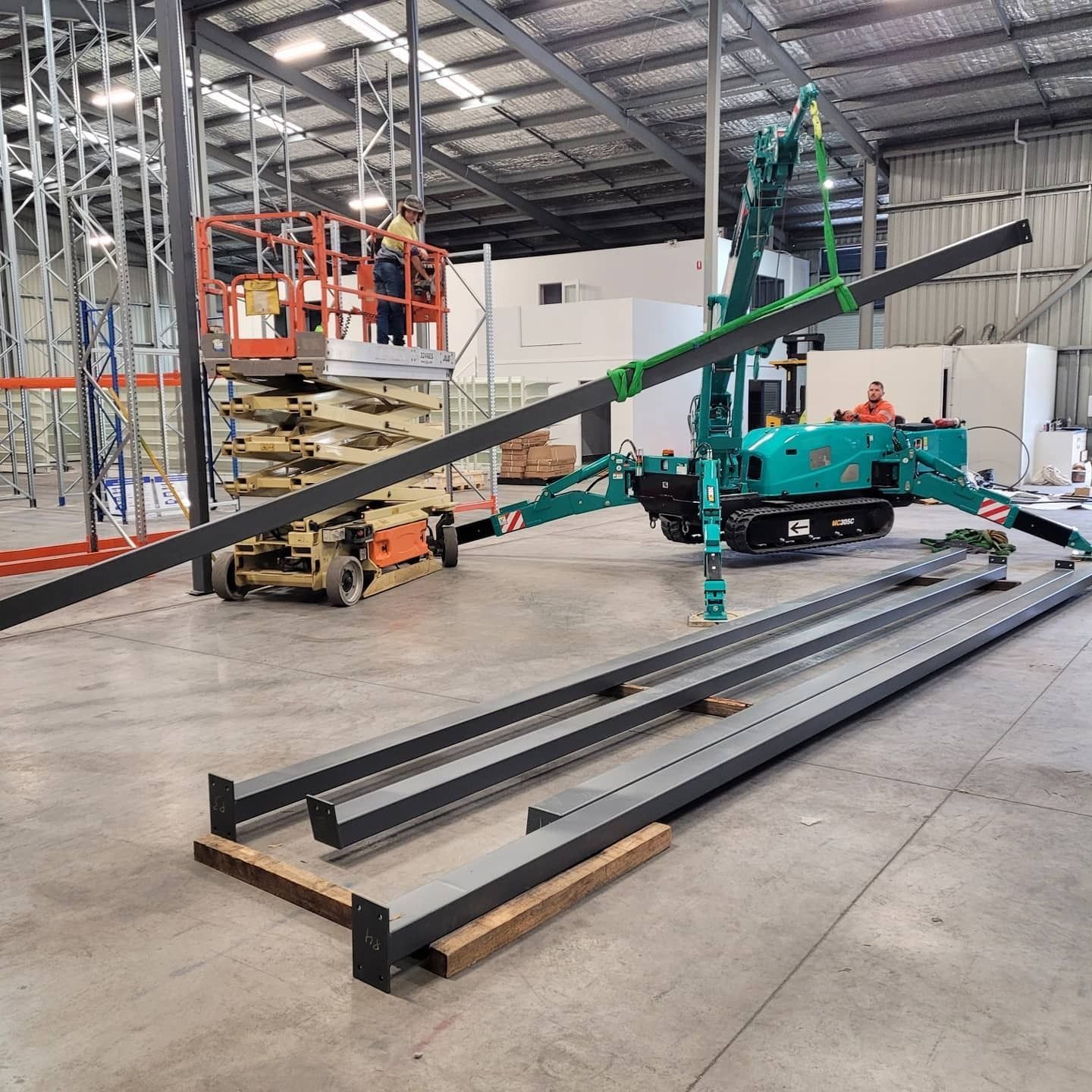
- Even a domestic renovation with a structural steel beam usually requires the steel to be cut, drilled and treated before it can be installed
Understanding this distinction helps homeowners and builders communicate clearly with their fabricator about what the project actually requires from the outset.
Choosing the Right Partner for Both Needs
When a business handles steel supplies and
steel fabrication on the Sunshine Coast under one roof, there is a practical benefit that goes beyond convenience. The people supplying the material are the same people who know how to work it.
What to look for in a combined supply and fabrication partner:
- A workshop equipped for both stock supply and custom fabrication
- CNC machinery capable of precision drilling and plasma cutting
- Experience across commercial and domestic project types
- In-house protective coating services to complete components before delivery
- A track record with structural steel elements including beams, posts and stair stringers
Working with a team that understands the full journey from raw material to finished component reduces miscommunication and keeps the project moving without gaps between trades.
Let's Talk About Your Steel Project
We at
On The Spot Steel Fabrication work with builders and property owners across the Sunshine Coast who need to understand exactly what their project requires before committing to a direction. Whether you're sourcing steel supplies for a trade job, need custom components fabricated to engineering drawings, or want a finished product that arrives site-ready with protective coatings applied, our team can walk you through your options. Give us a call or
get in touch to discuss your project and we'll help you figure out whether supply, fabrication or a combination of both is the right approach for what you're building.