Common Applications Of Structural Steel In Residential Projects
When a home begins to push beyond standard spans and predictable layouts, something stronger has to carry the load. Open-plan living areas, floating staircases and wide alfresco zones do not stand up on good intentions alone. They rely on carefully engineered support systems, and that is where
steel fabrication on the Sunshine Coast has become a defining part of modern residential construction. For builders, engineers and developers, structural steel is no longer reserved for commercial sites. It is now embedded in everyday housing projects, from renovations to architecturally designed
homes. Understanding where it is used, why it often outperforms timber and how structural steel fabrication enables greater design freedom is essential for delivering durable, compliant and efficient builds.
Structural Steel Frames Form The Backbone Of Modern Homes
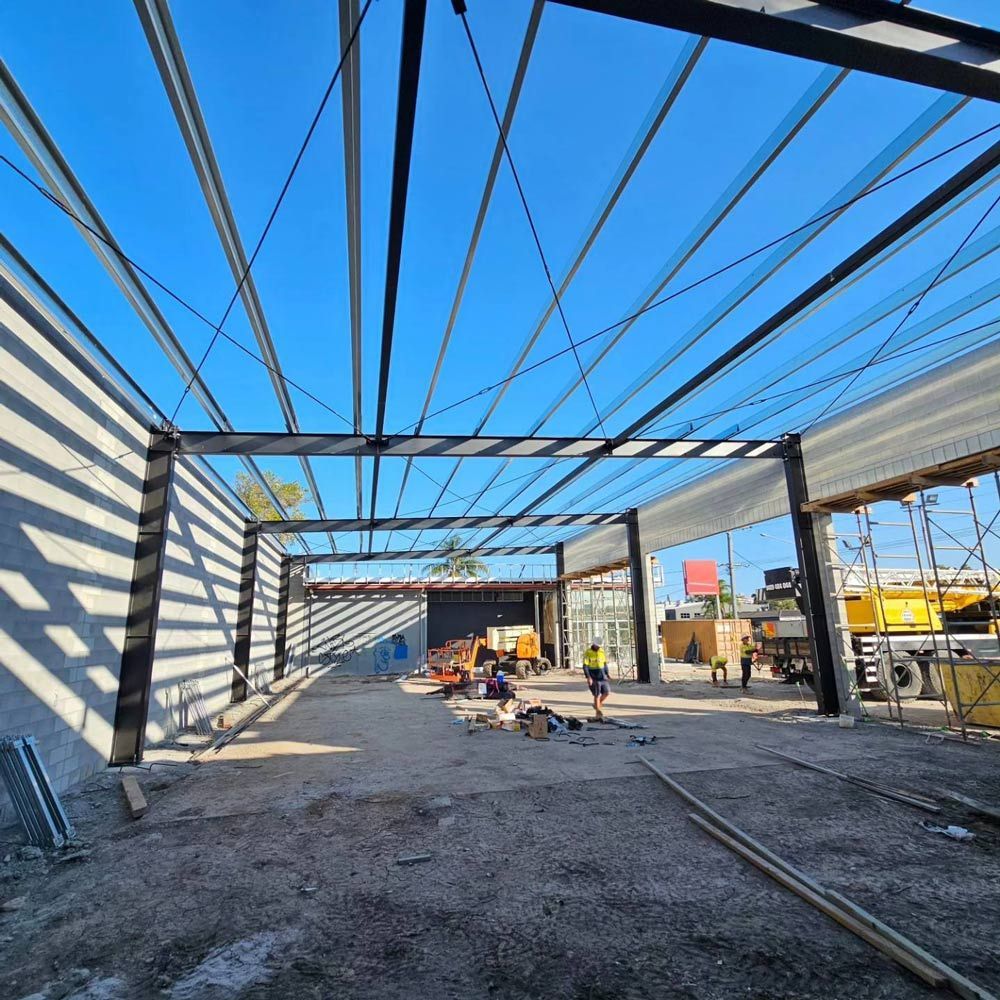
Behind clean lines and expansive glazing often sits a steel frame quietly doing the heavy lifting. Structural steel framing is increasingly specified in residential builds where strength, stability and dimensional accuracy are critical. Unlike traditional timber framing, steel members can span longer distances without excessive bulk, allowing designers to open up internal spaces.
In practical terms, steel frames are commonly used for:
- Primary load-bearing beams & columns
- Portal frames supporting large roof areas
- Floor systems requiring longer clear spans
- Reinforcement in multi-level homes
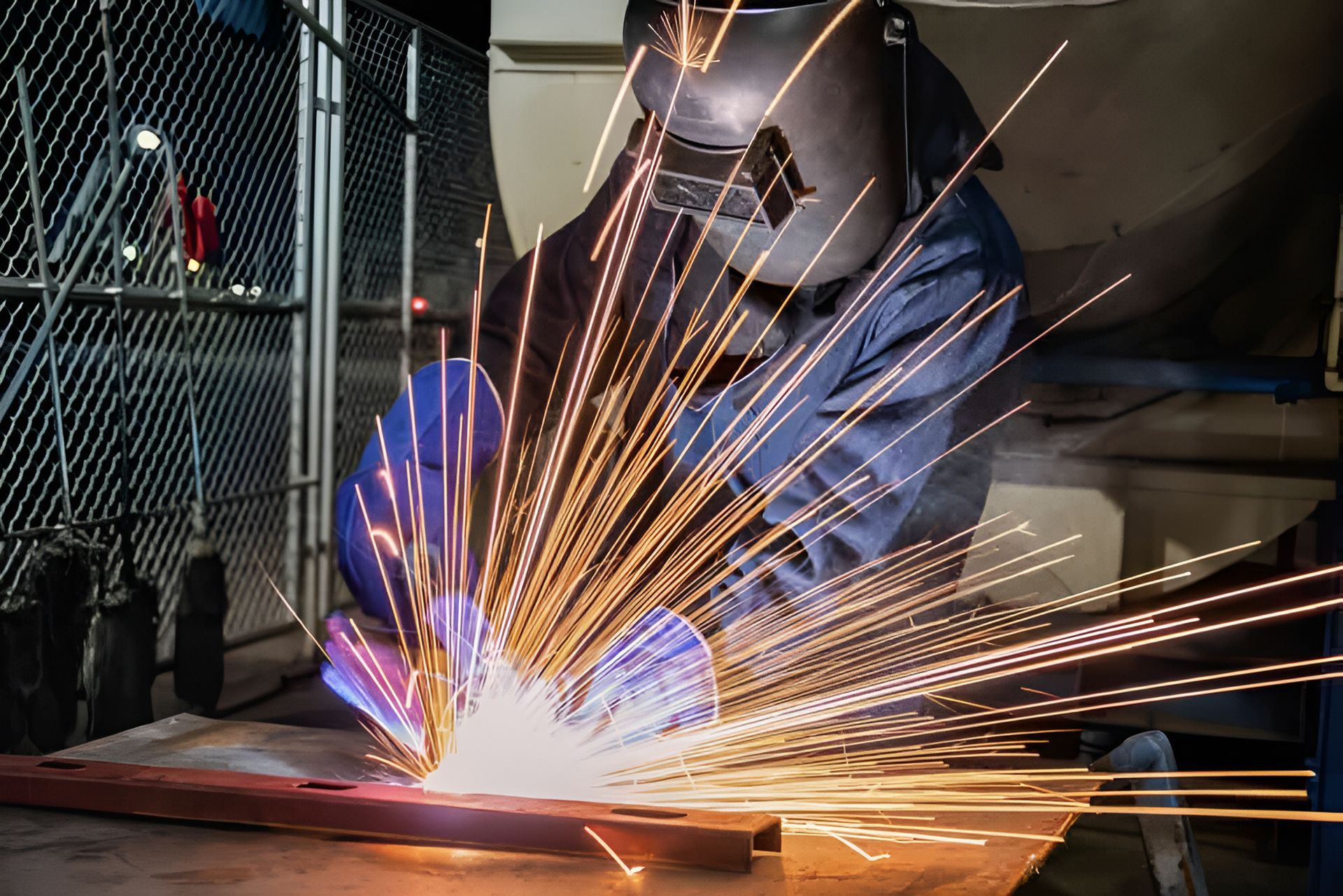
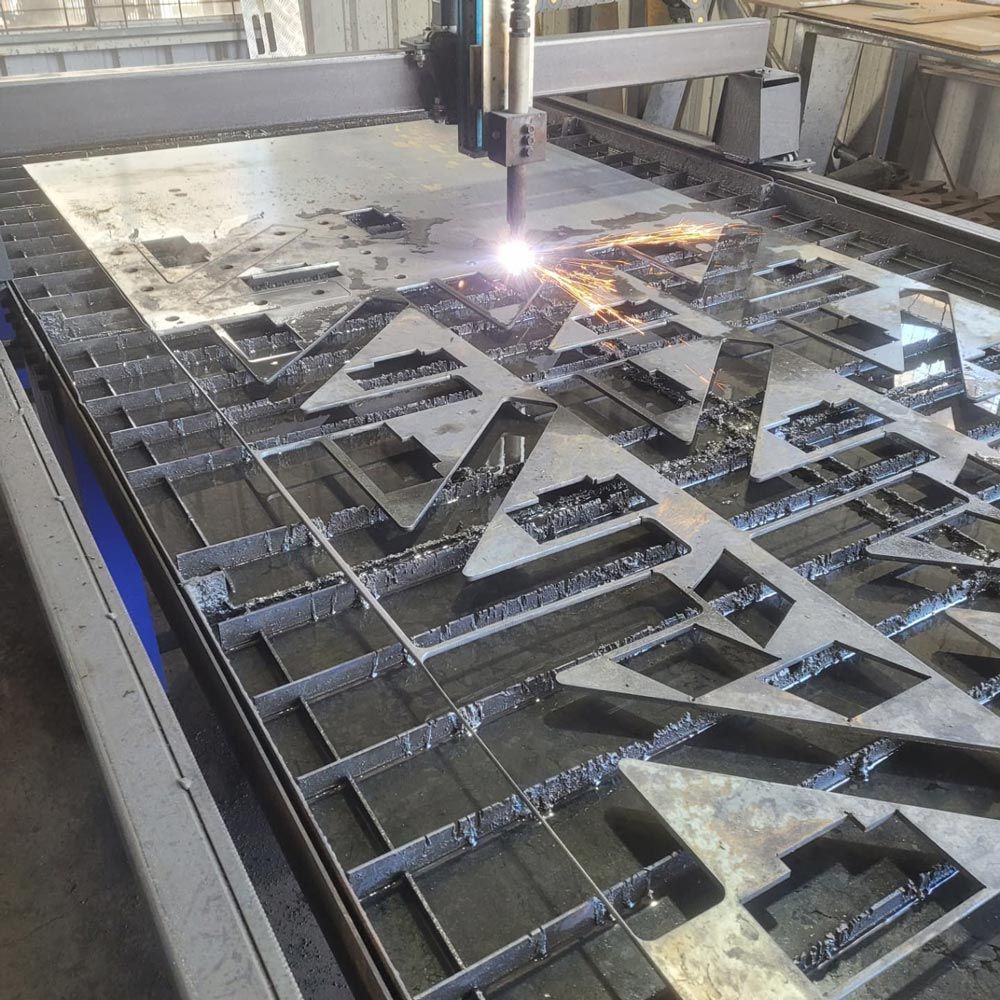
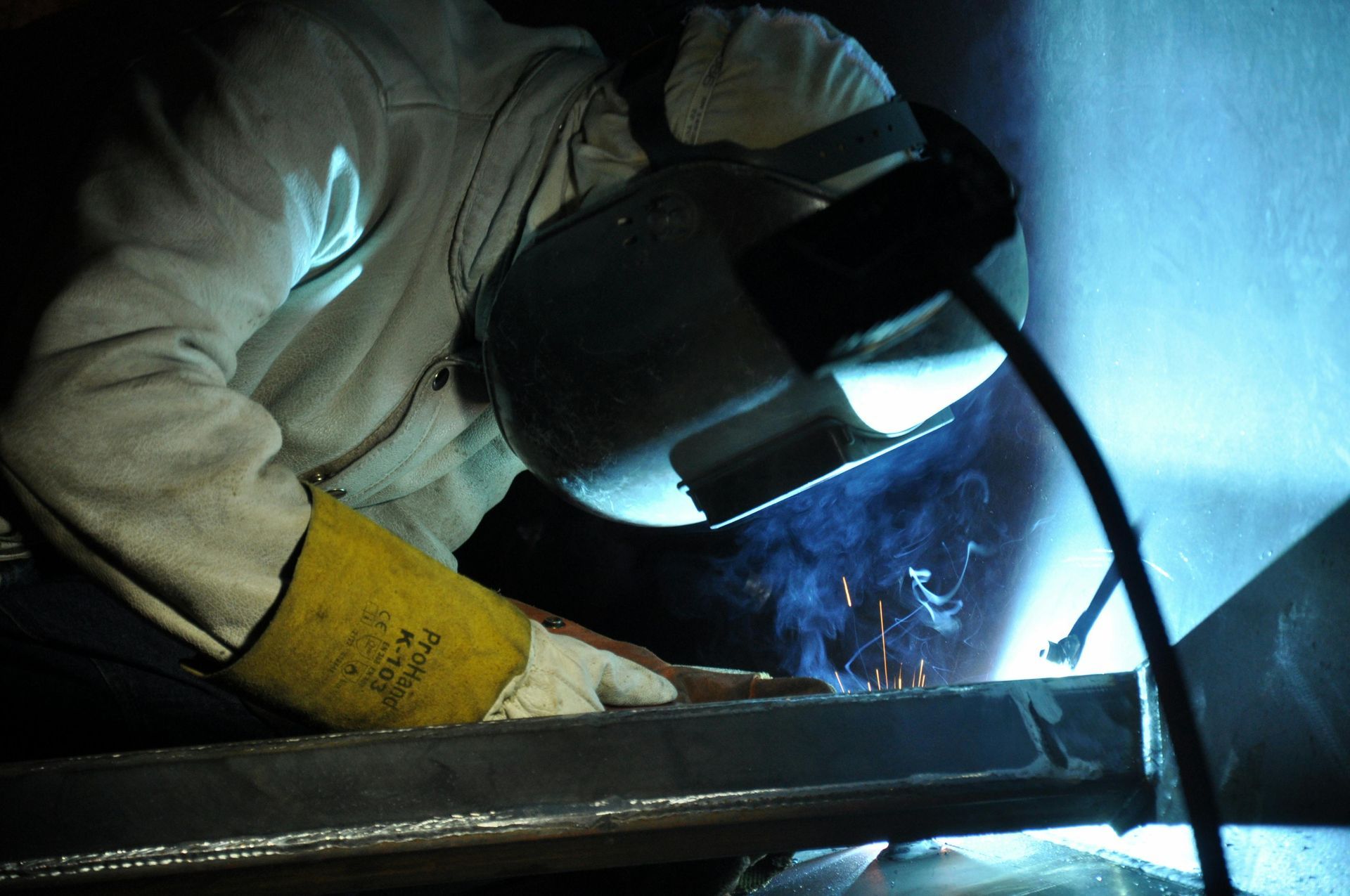
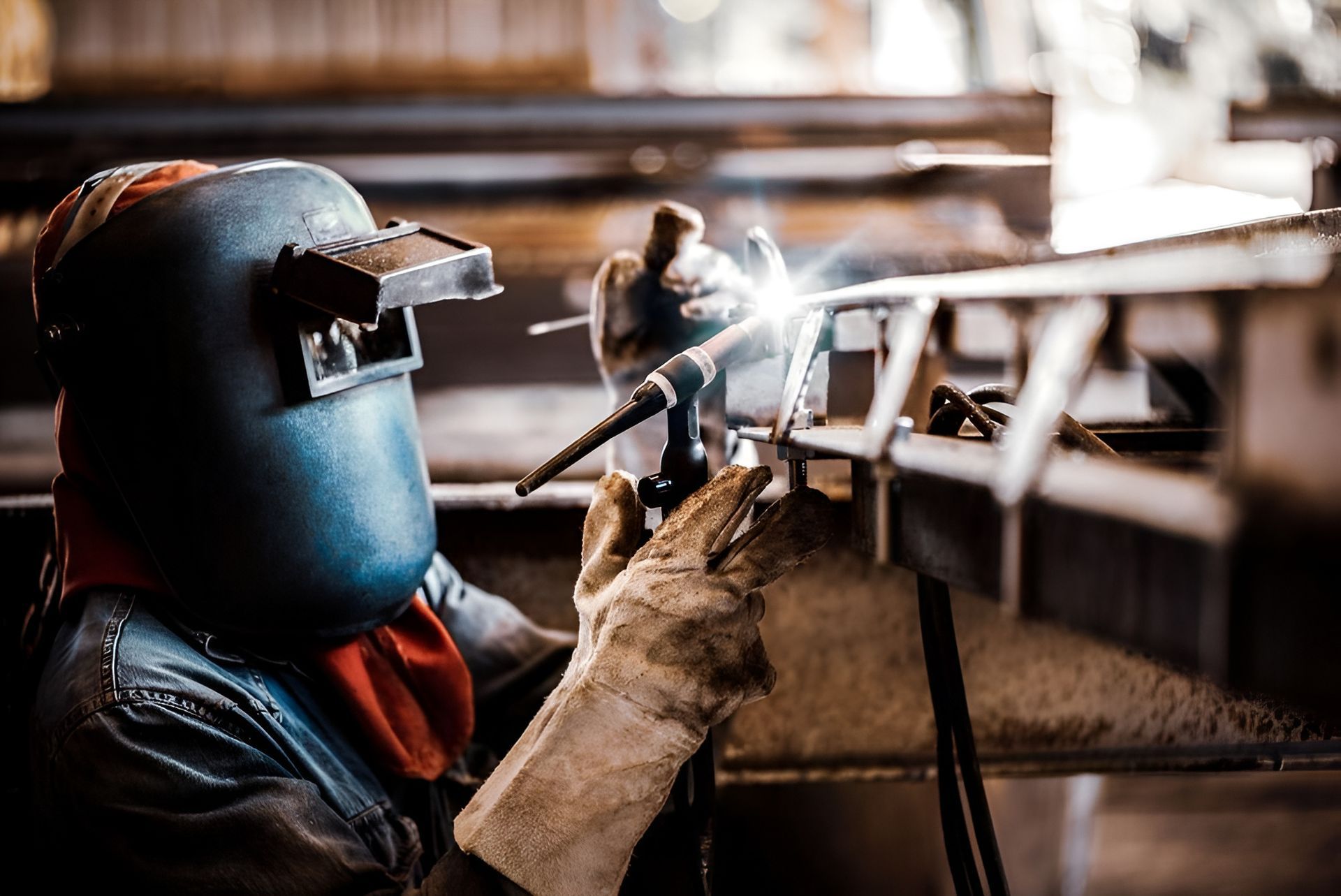
Structural steel fabrication ensures each beam and column is cut, drilled and welded to specification before arriving on site. This precision reduces on-site adjustments and helps maintain tight construction schedules. For engineers, it also means predictable performance under load, particularly in homes with complex roof geometries or cantilevered sections.
Open Plan Living Requires Greater Structural Integrity
Expansive kitchens and living areas have become standard expectations rather than design luxuries. Removing internal walls to create open-plan layouts shifts loads that were once distributed across multiple timber studs onto fewer structural members. Steel beams are often introduced to support these redistributed loads while maintaining ceiling height and visual continuity.
In these scenarios, structural steel supports:
- Wide-span roof loads
- Upper-storey floor loads over open areas
- Cantilevered balconies or overhangs
- Large sliding door openings
Because structural steel fabrication allows beams to be custom-sized and pre-drilled, installation can be streamlined. Builders benefit from reduced propping and fewer on-site modifications, while developers gain design flexibility without compromising structural performance.
Renovations Often Depend On Engineered Steel Solutions
Renovations present unique structural challenges, particularly when removing load-bearing walls or extending existing structures. When homeowners seek to modernise older properties, steel beams are frequently introduced to replace structural walls and create new spatial arrangements. Timber alone may not provide the required strength in altered layouts, especially where additional storeys or extensions are involved.
Steel is typically used in renovations for:
- Load-bearing beam replacement
- Strengthening existing floor systems
- Supporting new upper levels
- Integrating new extensions with old structures
Structural steel on the Sunshine Coast has become especially relevant in renovation contexts where compliance with updated building codes is required. Fabricated steel components can be tailored to suit irregular dimensions often found in older homes, ensuring structural continuity between new and existing elements.
Steel Provides Superior Strength To Weight Performance
Material selection is rarely aesthetic alone; it is driven by performance. Steel offers a high strength-to-weight ratio, meaning it can carry substantial loads without excessive cross-sectional size. This efficiency is valuable in residential projects where ceiling heights, wall thickness and spatial proportions are carefully considered.
Compared with timber, steel can:
- Span further without sagging
- Resist warping, twisting or shrinking
- Maintain structural integrity under heavy loads
- Deliver consistent performance across batches
For engineers and developers, this consistency reduces variability in calculations and structural modelling. Structural steel fabrication also ensures connections are pre-engineered, welded or bolted to meet design loads, improving reliability during installation and throughout the building’s lifespan.
Custom Fabrication Expands Architectural Possibilities
Design ambition often hinges on what can realistically be fabricated. Structural steel fabrication transforms conceptual sketches into practical components. Curved beams, tapered sections and integrated connection plates can be manufactured off-site to exact specifications, supporting distinctive architectural features without excessive compromise.
This fabrication capability enables:
- Feature staircases with concealed supports
- Cantilevered roofs & balconies
- Slim-profile structural elements
- Integrated steel & glazing systems
Rather than forcing designs to conform to standard material dimensions, fabricated steel adapts to the design intent. Builders can coordinate closely with fabricators during early project stages, reducing redesign later in the process and ensuring smoother site execution.
Steel Enhances Structural Stability In Multi Storey Builds
As residential projects increase in scale, structural demands intensify. Multi-storey homes and townhouse developments require materials that can manage cumulative loads while maintaining stability. Steel columns and beams provide reliable vertical and lateral support, particularly in narrow building footprints where space efficiency is essential.
In these builds, steel is frequently used for:
- Vertical load-bearing columns
- Floor-to-floor beam systems
- Bracing for lateral stability
- Roof structures with complex geometry
Structural steel fabrication ensures components align precisely with engineering drawings, reducing alignment issues between levels. Developers benefit from predictable construction sequencing, while engineers gain confidence in the building’s capacity to manage both dead and live loads over time.
Durability & Compliance Drive Material Selection
Long-term performance is a core consideration in residential construction. Steel, when properly treated and protected, offers resistance to many issues that affect timber, including termite damage, rot and dimensional instability due to moisture changes. In environments where durability is a concern, steel becomes a practical structural solution.
Key advantages include:
- Resistance to biological degradation
- Minimal shrinkage or expansion
- Compatibility with fire-rated systems
- High recyclability
Structural steel fabrication also supports compliance by ensuring connection details and load capacities meet engineering standards. Pre-fabricated components can be inspected and verified prior to installation, supporting quality assurance processes across residential projects.
Precision Installation Reduces On Site Disruption
Efficiency on site affects both project timelines and budgets. Because steel components are fabricated off-site to precise tolerances, installation tends to be faster and more controlled than heavily modified timber systems. This precision minimises cutting, trimming and adjustment once materials arrive at the property.
Practical benefits include:
- Reduced construction waste
- Faster structural framing stages
- Improved alignment for follow-on trades
- Cleaner integration with concrete & masonry
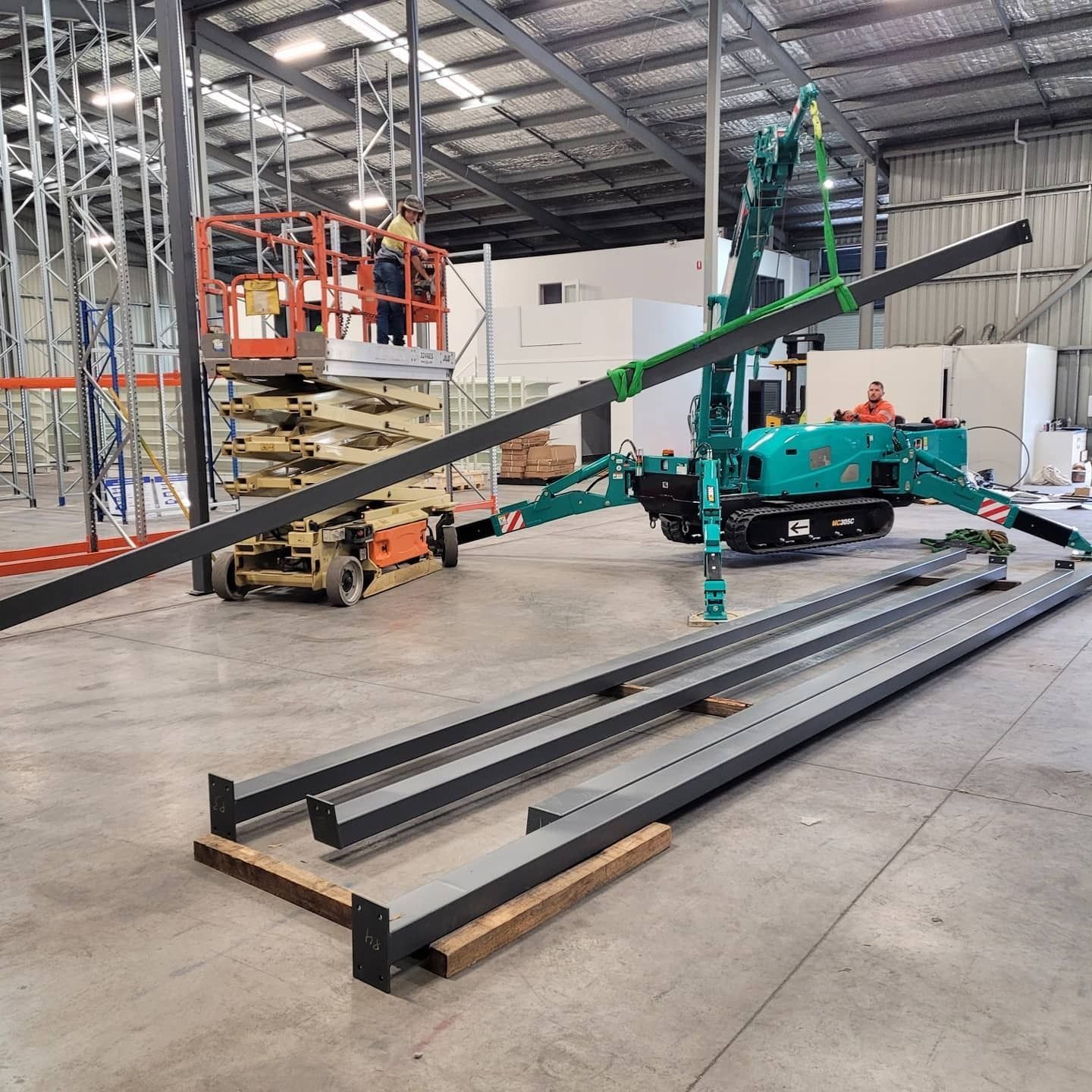
Structural steel is often delivered with pre-welded plates and connection points, simplifying cranage and installation. For builders managing tight programs, this can translate into fewer delays and improved coordination between trades.
Build With Confidence Through Expert Fabrication
Choosing the right structural system shapes the performance and flexibility of every residential project. We at
On The Spot Fab understand how steel fabrication on the Sunshine Coast supports builders, engineers and developers in delivering strong, adaptable and compliant
homes. From custom beams to complete structural steel fabrication packages, our team works closely with project stakeholders to ensure each component is engineered and manufactured to specification. If you are planning a new build or renovation and require
structural steel on the Sunshine Coast,
contact us to discuss your project requirements or book a consultation with our team.