Aluminium Pool Fencing On The Sunshine Coast: What Homeowners Need To Know
Pool fencing is a legal requirement in Queensland, but it is also a design element that frames one of the most used parts of your home. The material you choose affects how the fence looks, how long it lasts, and how much time and money you spend on it over the years. For Sunshine Coast homeowners, aluminium has become the dominant material for good reason — and this guide covers what makes it work in this environment and what to know before you buy.
Why Aluminium Works So Well in a Pool Environment
Pools are chemically and environmentally aggressive environments. Chlorine, salt water, UV exposure and constant moisture create conditions that accelerate corrosion in most metals. Aluminium handles these conditions better than most alternatives, and the reasons are worth understanding.
Aluminium forms a natural oxide layer on its surface that acts as a protective barrier against further oxidation. Unlike iron or steel, which rust progressively once the surface is breached, aluminium's oxide layer is self-renewing — if it is scratched, the layer reforms. This makes it genuinely suited to pool areas rather than just adequate for them.
For Sunshine Coast properties near the coast, salt air adds another corrosive layer to the equation. Aluminium's natural corrosion resistance makes it a smart choice for pool areas exposed to both chlorine and salt air — particularly compared to steel, which requires more protective treatment to perform in the same conditions.
Practical Advantages for Sunshine Coast Homeowners
Beyond corrosion resistance, aluminium pool fencing has several practical advantages that add up over the life of the installation:
- Low maintenance: aluminium does not need painting, sealing or rust treatment. An occasional rinse to remove chlorine and salt buildup is typically all that is required
- Lightweight but strong: aluminium is significantly lighter than steel or wrought iron, which makes installation easier and reduces load on posts and footings, while still meeting structural requirements for pool safety barriers
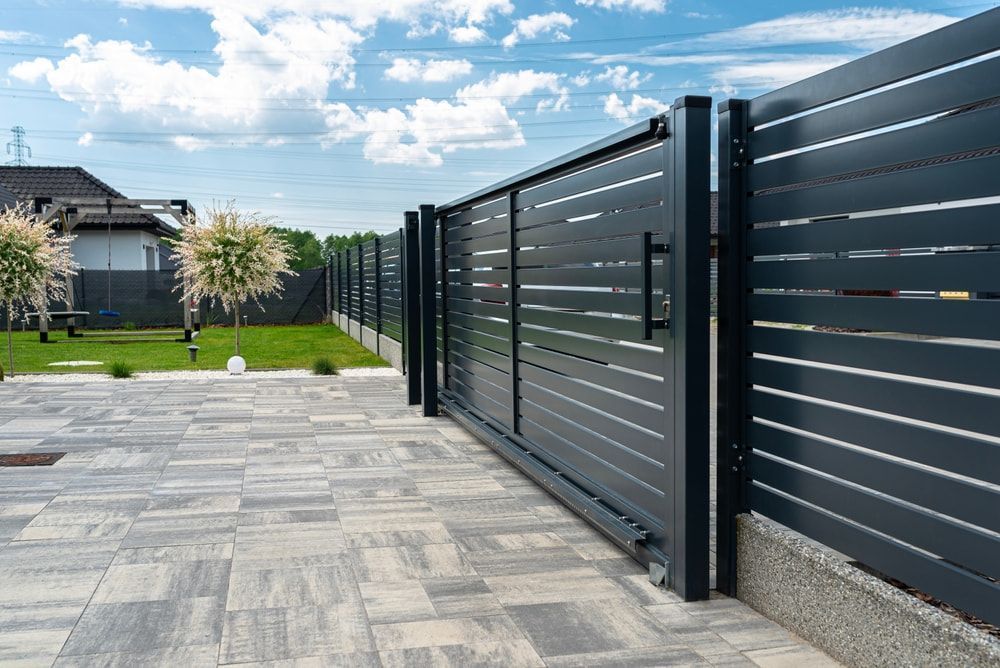
- Powder coating options: aluminium takes powder coating well, which adds another layer of UV and corrosion protection while giving you a wide range of colour options to match your home's palette
- Design flexibility: because aluminium is worked rather than cast, fencing can be fabricated to custom dimensions, angles and profiles to suit non-standard pool shapes and unusual site geometry
If you want a specific finish or are comparing coating options,
our guide to metal fabrication coatings covers the options available and what suits different environments.
Queensland Pool Fencing Safety Standards: The Basics
Queensland has some of the strictest pool fencing laws in Australia, and compliance is non-negotiable. The Building Act 1975 and associated pool safety standards set out the requirements for pool safety barriers, and all pools must meet these standards regardless of when they were built.
Key requirements at a high level include minimum fence height, maximum gap sizes between pickets and under the fence, self-closing and self-latching gates that open away from the pool, and a compliant non-climbable zone around the fence perimeter. A registered pool safety inspector is the appropriate person to assess compliance for your specific installation.
This article provides general background information only and is not legal or compliance advice. For the requirements that apply to your property, consult a Queensland registered pool safety inspector before installation.
Timber, Glass or Aluminium: How They Compare
Homeowners comparing fencing materials generally weigh aluminium against two main alternatives: timber and frameless glass. Each has its place.
Timber has a natural warmth that suits some garden settings, but it requires regular maintenance — oiling, sealing, repainting — to hold up in a pool environment. In the Sunshine Coast's coastal humidity, an untreated or poorly maintained timber fence will deteriorate faster than in drier climates. It also has a shorter practical service life than aluminium.
Frameless glass gives an unobstructed view of the pool and suits contemporary architecture well. The trade-off is cost — frameless glass installations are significantly more expensive than aluminium — and the panels require regular cleaning to stay presentable near a pool where splash and chemical residue are constant.
Aluminium sits in the practical middle: lower maintenance than timber, lower cost than glass, strong enough to be compliant, and flexible enough to be fabricated to almost any design specification. For most Sunshine Coast residential pools, it is the material that delivers the best outcome relative to cost over the long term.
Custom Fabrication vs Off-the-Shelf Pool Fencing
Pre-made aluminium pool fencing systems are available from fencing suppliers and some hardware stores. These work well for pools with standard dimensions and straightforward site geometry. The limitations become apparent when the pool shape is non-rectangular, the ground is sloped, or the design calls for a fence that integrates with an existing gate, screen or balustrade in a specific way.
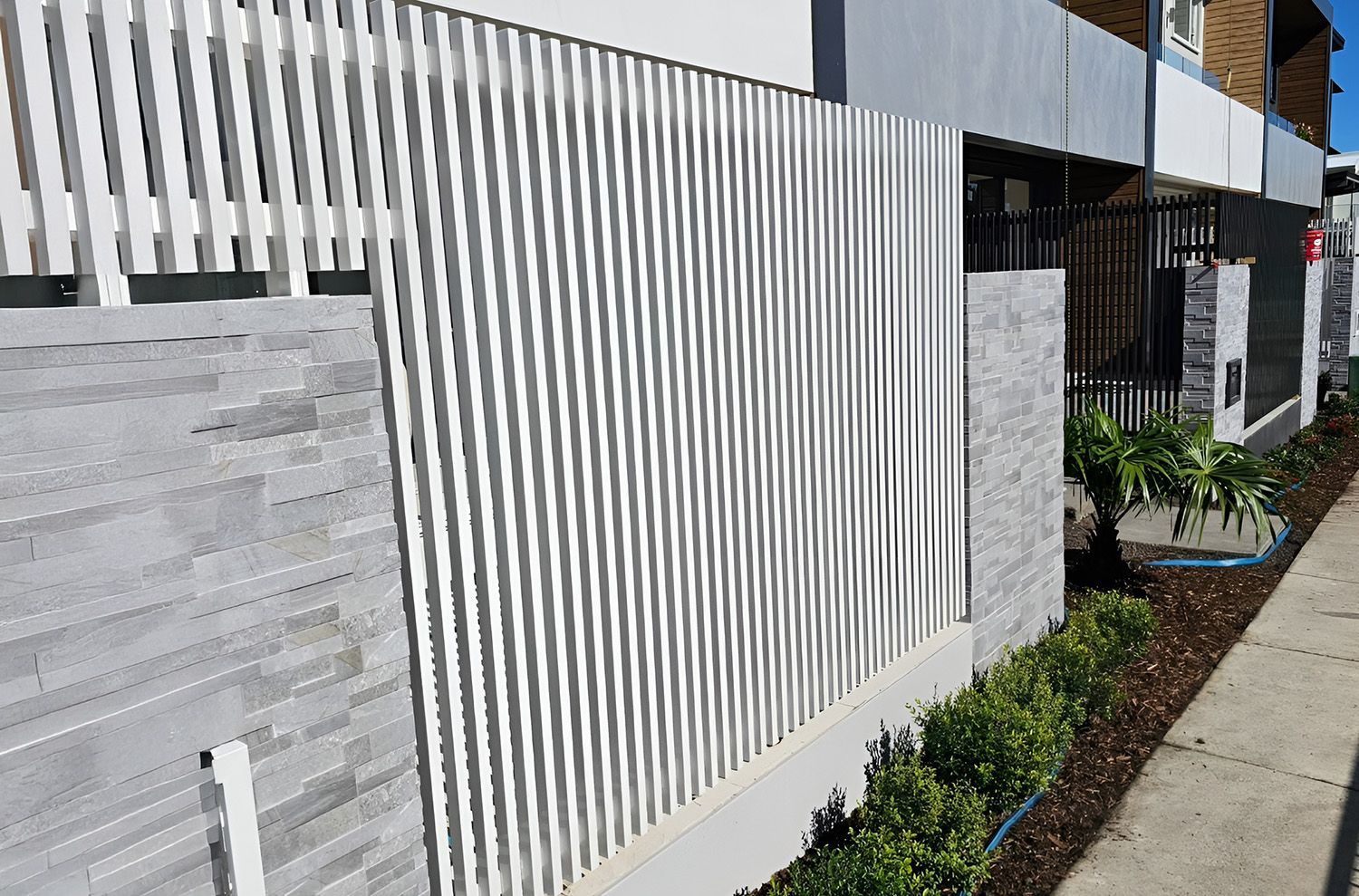
Custom fabrication addresses all of these situations. A locally fabricated fence is made to the exact dimensions of your pool and site rather than cut down from a standard run. Posts can be positioned where your site requires them, angles can be accommodated, and the fence can be designed to match adjacent metalwork — gates, screens, handrails — in the same profile and colour.
If you're after
aluminium fencing Sunshine Coast homeowners can rely on, On The Spot Fabrication custom-fabricates pool fencing to suit your space and style. And if you are designing a complete outdoor area, a pool fence that pairs with
aluminium screens creates a cohesive result that off-the-shelf components rarely achieve.
Maintenance: What Aluminium Pool Fencing Actually Needs
One of the most common questions homeowners ask is how much ongoing maintenance aluminium fencing requires. The honest answer is very little, but not zero. In a pool environment, chlorine overspray and salt air leave deposits on the fence surface over time. Left long enough, these can cause surface staining and affect the powder coat finish. The maintenance routine that prevents this is straightforward:
- Rinse the fence periodically with fresh water, particularly after heavy chlorine treatments or after storms in coastal areas
- Wipe down with a mild detergent if surface deposits have built up
- Check gate hardware annually — hinges and latches are the highest-wear components in any pool fence installation and the most likely to need attention over time
That is substantially less than the maintenance that timber or steel alternatives require in the same environment. For most Sunshine Coast homeowners, aluminium pool fencing is the lowest-maintenance compliant option available.
Talk to On The Spot Steel Fabrication About Your Pool Fence
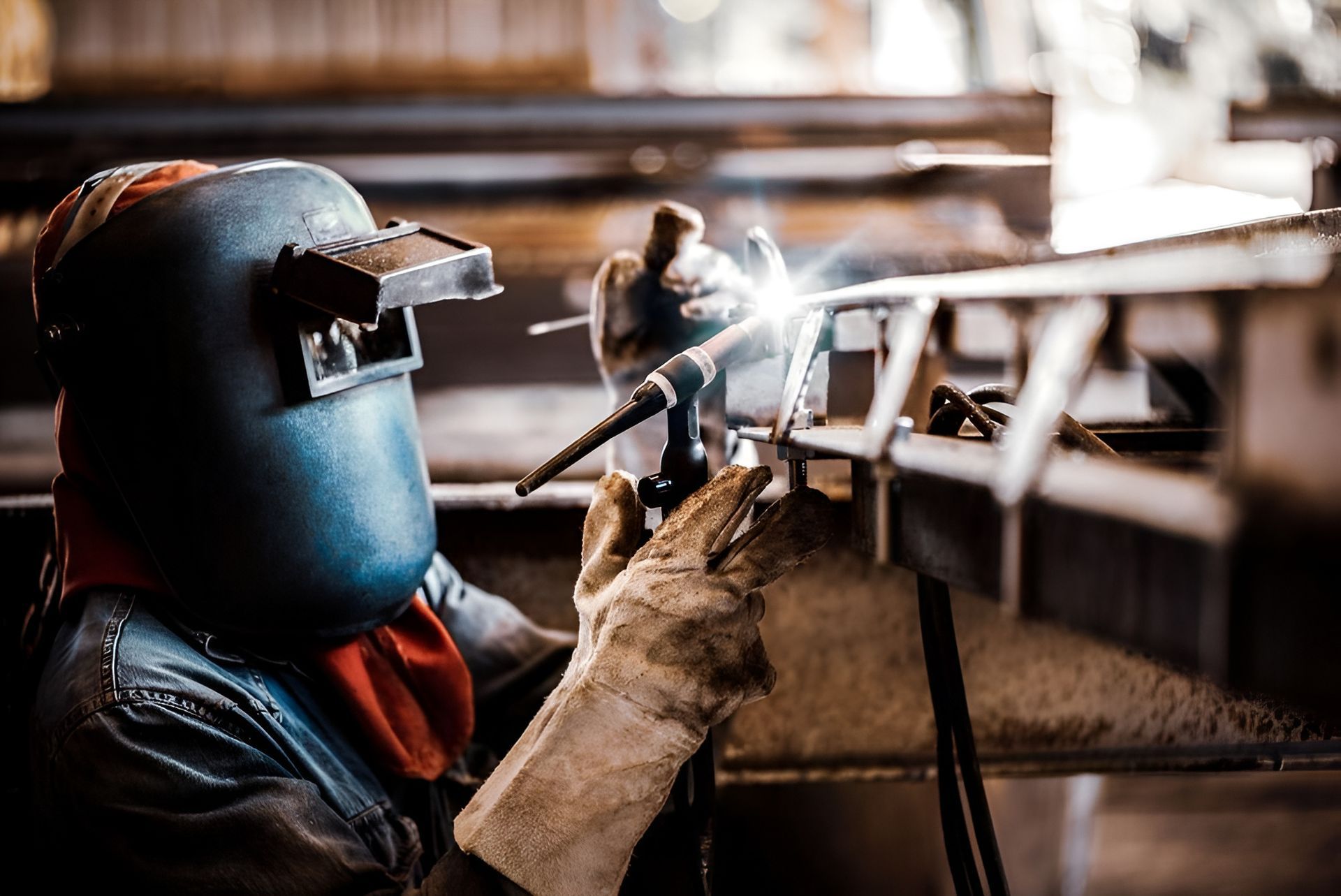
On The Spot Steel Fabrication custom-fabricates aluminium pool fencing across the Sunshine Coast for residential pools of all shapes and sizes. Whether you are building a new pool or upgrading existing fencing to improve compliance or appearance, our team can design and fabricate a fence to suit your site.
Get in touch to discuss your project and arrange a quote.