Marine Grade Aluminium: Why It's Built For Sunshine Coast's Coastal Conditions
Marine grade aluminium describes alloys selected for their resistance to marine corrosion, alongside the strength and fabrication properties a project needs. For Sunshine Coast homeowners, that matters wherever gates, screens and balustrades face salt air. The exact alloy, finish and installation details all influence how well the finished metalwork performs.
At
On The Spot Steel Fabrication, we create custom aluminium products for domestic and commercial projects. Here, we explain the material choices behind coastal metalwork and what to discuss with us before fabrication begins.
What Makes Aluminium Marine Grade?
The term marine grade aluminium covers several alloys used in marine environments. Ask for the actual alloy designation and its suitability for your application, because the broad description alone does not identify a complete material specification.
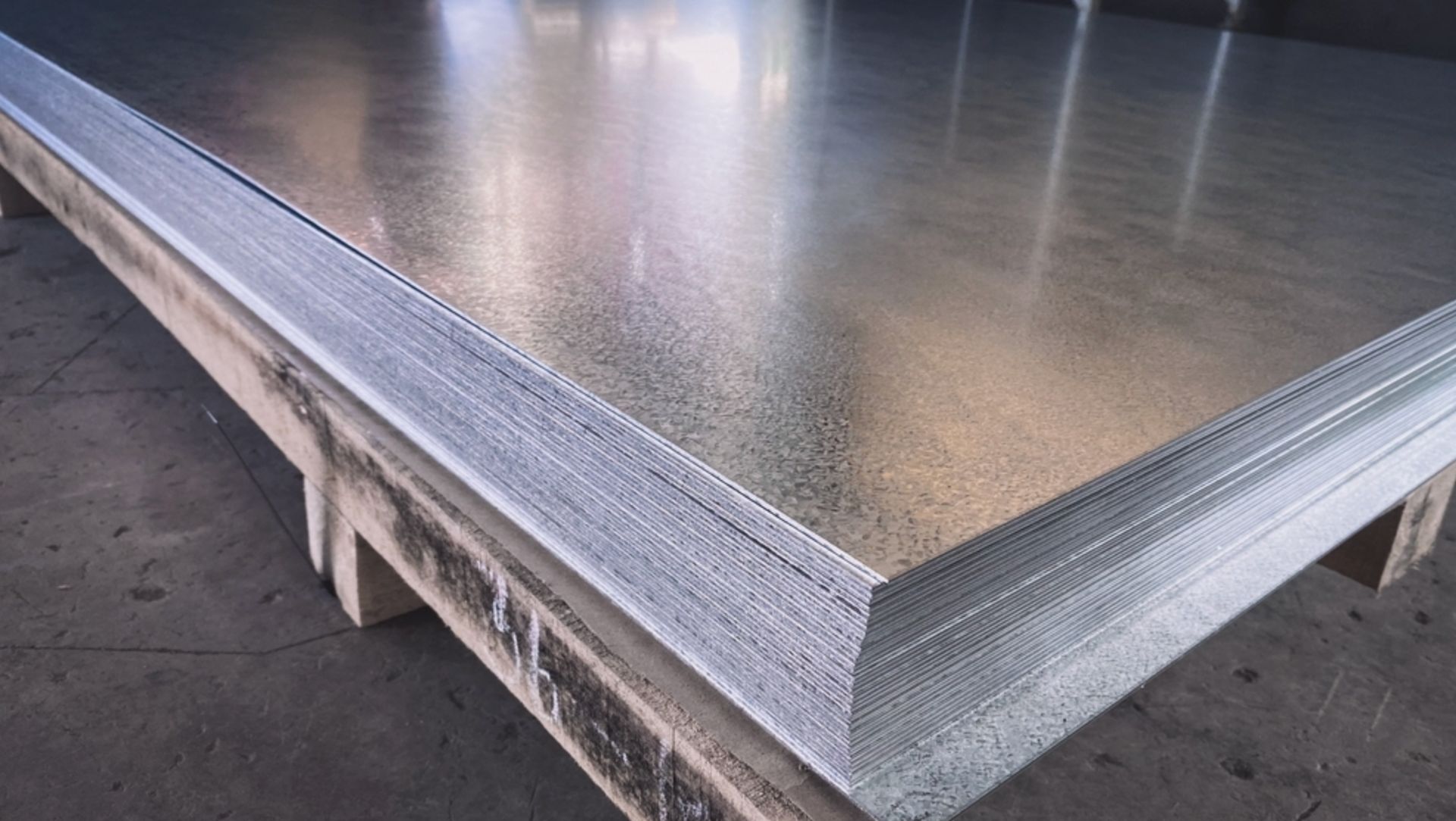
Among the different aluminium alloy grades, 5000 series alloys use magnesium as their main alloying element. A well-known example is 5083, which combines strength, weldability and excellent resistance to seawater corrosion. It is commonly supplied as sheet or plate and used in boat hulls and other marine components.
The 6000 series contains magnesium and silicon. These alloys are widely used for extruded profiles, which are lengths formed with a particular cross-sectional shape. Alloy 6061 offers a useful combination of strength, machinability and corrosion resistance for fabricated components, including some marine applications.
Alloy 6063 is often chosen for architectural profiles because it offers good surface quality, corrosion resistance and anodising characteristics. It can be appropriate for visible outdoor elements, subject to the design and exposure conditions. A 6000 series profile used in a coastal gate and a 5083 plate used in a boat hull serve different purposes; they should not be treated as interchangeable.
How Salt Air Affects Aluminium
Aluminium naturally forms a thin protective oxide layer when exposed to air. This layer helps explain why it is useful outdoors, but salt deposits can create conditions for localised corrosion, including pitting. Choosing corrosion resistant aluminium is one part of managing that exposure.
For a coastal property, we recommend considering where salt and moisture can collect. Sheltered surfaces beneath covers may receive less natural washing from rain, while joints and recesses can be harder to clean. A screen facing sea spray and a gate further inland may therefore need different finishing and maintenance arrangements.
For a broader material comparison, read our article on the corrosion resistance of aluminium & steel.
Distance from the beach is useful context, but we also encourage you to describe the immediate surroundings. Is the proposed metalwork open to the weather, tucked beside a wall or installed beneath a roof? Can you easily reach both sides for cleaning? These details help turn a general request for coastal metalwork into a clearer project brief.
Gates, Screens & Balustrades
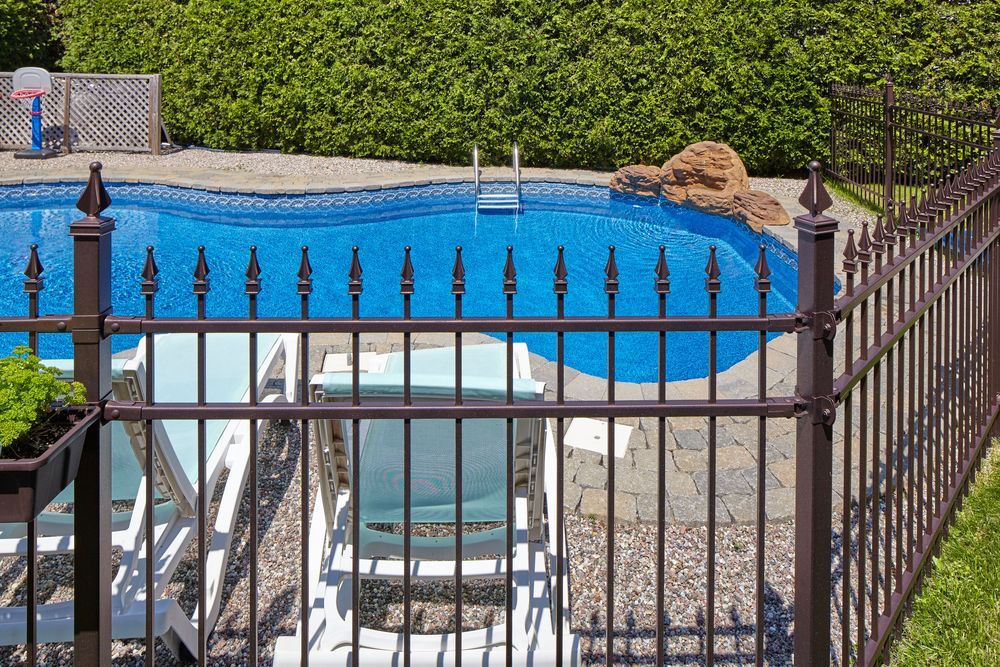
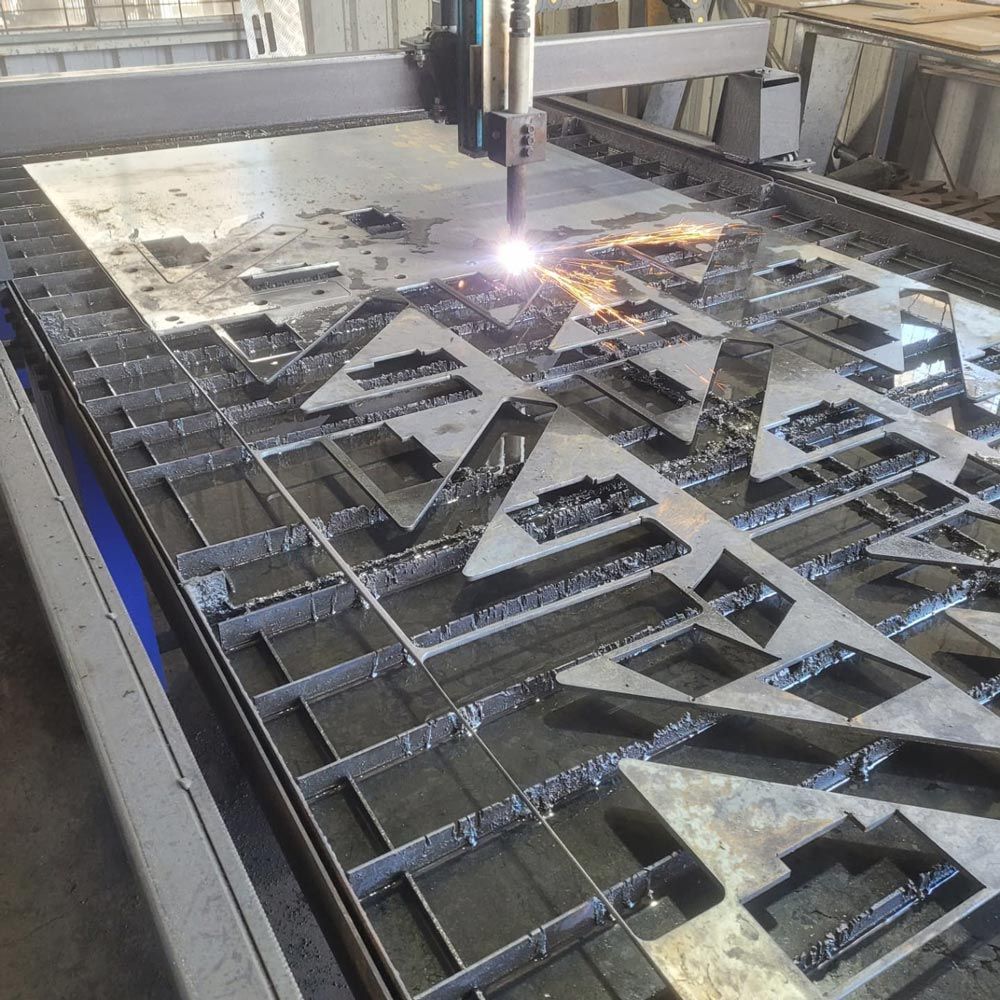
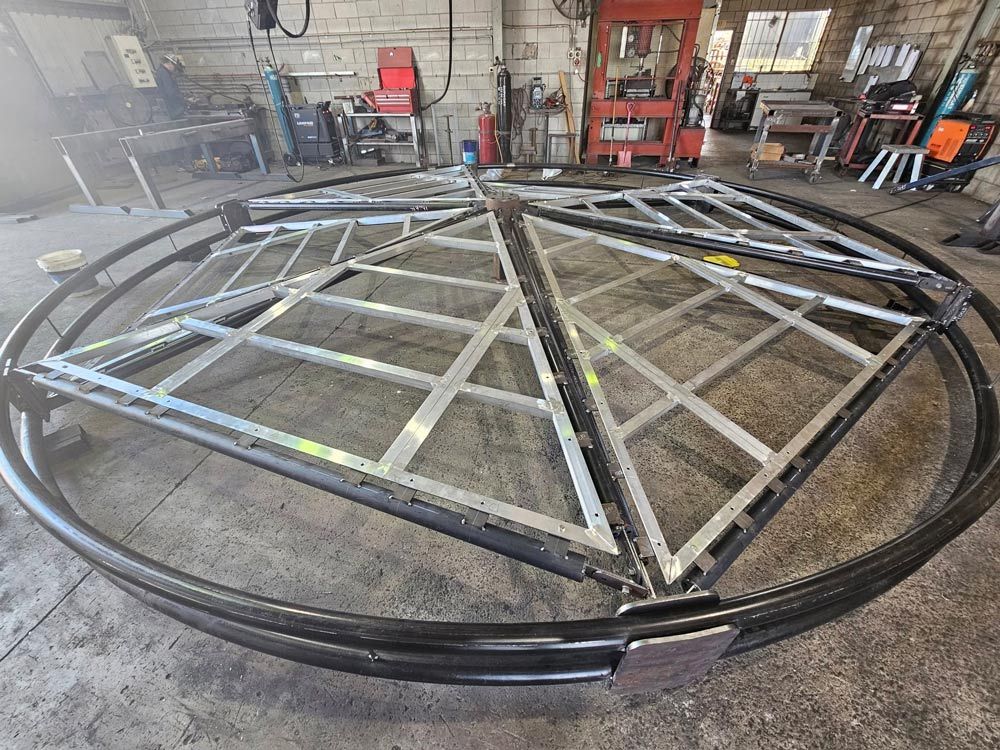
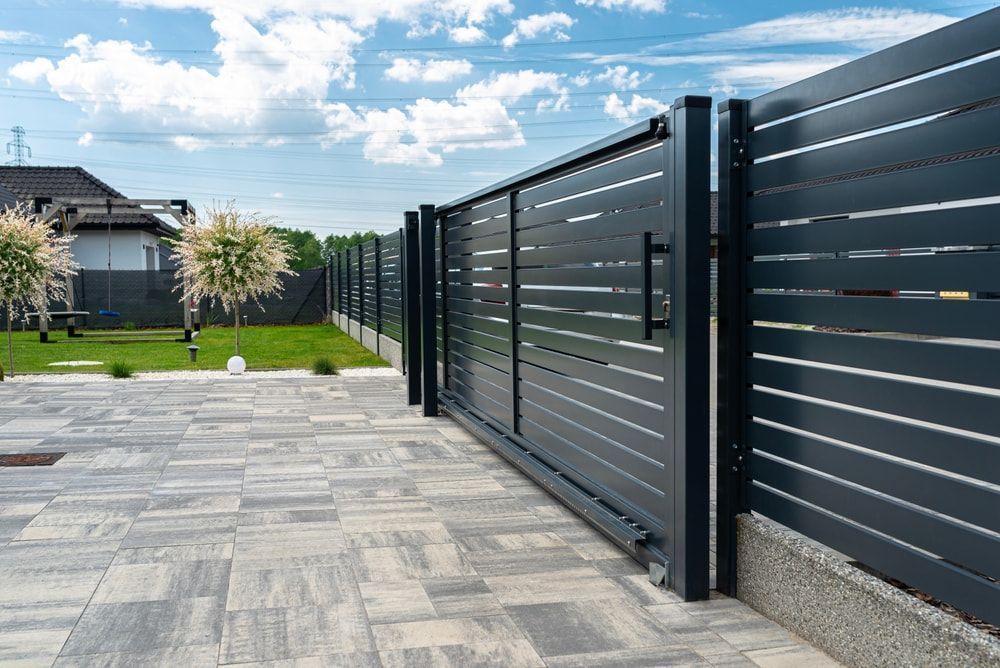
We fabricate aluminium gates, screens, handrails and other custom products for Sunshine Coast properties. The required shape, dimensions and intended use help determine which material form and finish suits the job. Our processing capabilities include cutting, machining and folding aluminium to project specifications.
For gates, the frame and infill need to work together with the hinges and supports. Screens bring different priorities, such as privacy, appearance and the way panels attach to the surrounding structure. For balustrades, material selection also needs to fit the structural design; a corrosion-resistant alloy alone does not establish whether a barrier is suitable.
Gates That Suit Daily Use
A gate needs to suit how you use the property as well as its surroundings. Tell us whether it is a pedestrian entrance, a side access gate or part of a wider opening, and whether you want an open or more private appearance. Those choices shape the dimensions, frame arrangement and infill before we discuss the final finish.
We also recommend thinking about cleaning access around the lower frame, hinges and nearby fencing. An attractive design should remain practical to look after once installed. Where a gate connects to existing posts or other metalwork, include photographs so the connection details can be considered with the rest of the project.
Screens With Practical Access
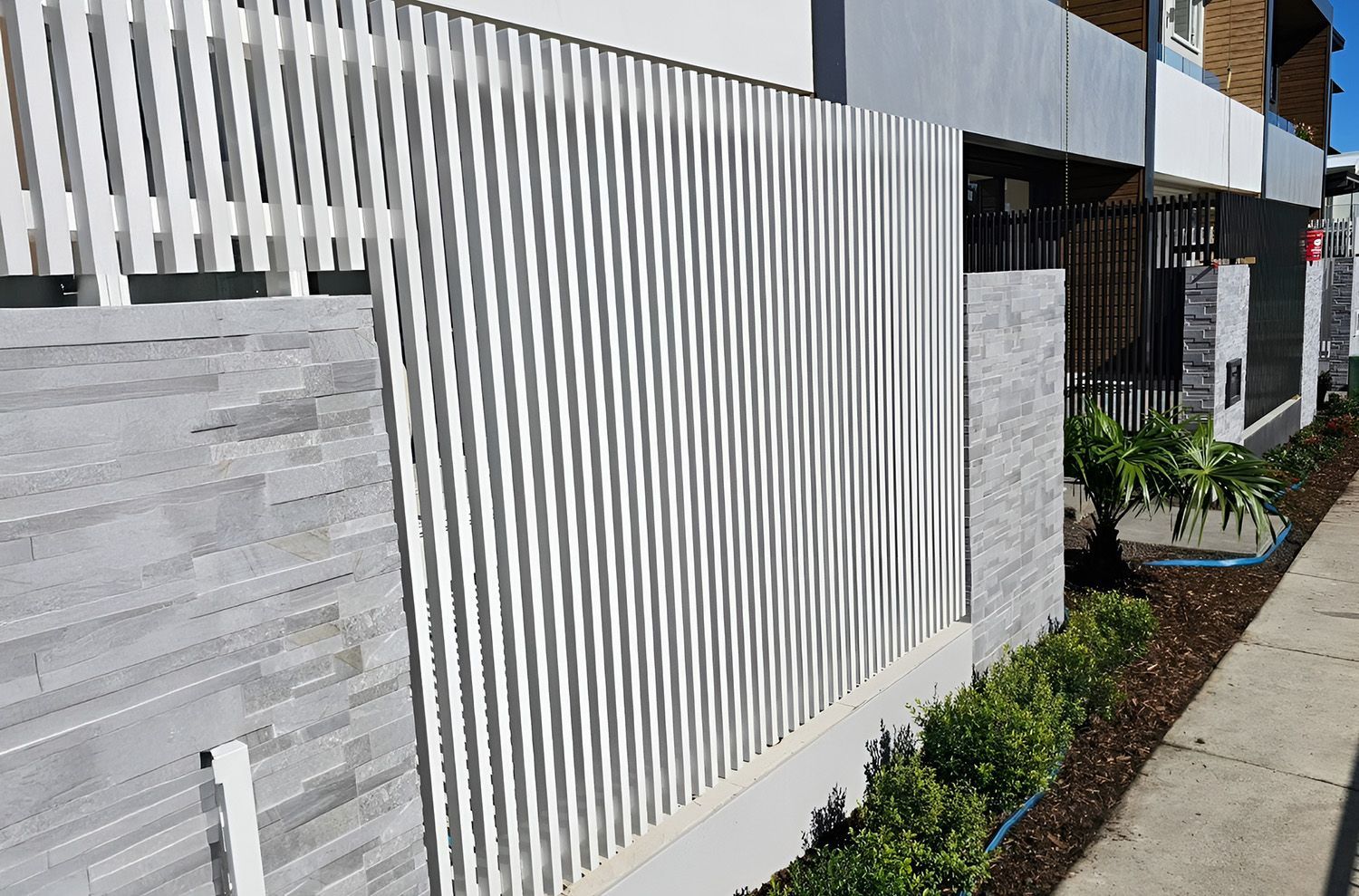
For screens, start with the purpose of the panel. You might want to screen a service area, add privacy beside an outdoor space or introduce a decorative feature. The panel layout and fixing arrangement should reflect that purpose while allowing access wherever servicing or cleaning is needed.
A screen beside a coastal home may have one visible face and another facing a narrow gap. We encourage you to consider how you will reach that rear surface before finalising the layout. Planning access early is more straightforward than discovering after installation that accumulated deposits are difficult to remove.
Balustrades & Handrails
Balustrades and handrails need a clear brief covering their location, dimensions and intended function. Tell us whether the work forms part of a new build or replaces an existing assembly and provide any project drawings available. That information helps us discuss the fabrication requirements without relying on appearance alone.
For a balcony or external staircase, consider the surrounding materials and the preferred visual finish together. A neat connection to the building matters, but so does how exposed surfaces will be inspected and cleaned. We recommend resolving these practical details before fabrication so the finished assembly fits the wider project.
As a hypothetical example, imagine a homeowner planning a slatted side gate near the beach. We would encourage them to discuss salt exposure, the gate dimensions, the fixing surfaces and the preferred finish before settling on a material specification. That gives the fabrication brief enough detail to address the whole assembly.
Our
aluminium fabrication Sunshine Coast service covers custom projects, with processing and finishing options suited to different applications. Speak with us about your site and design so we can discuss the requirements for your outdoor metalwork.
Connections & Finishes Matter
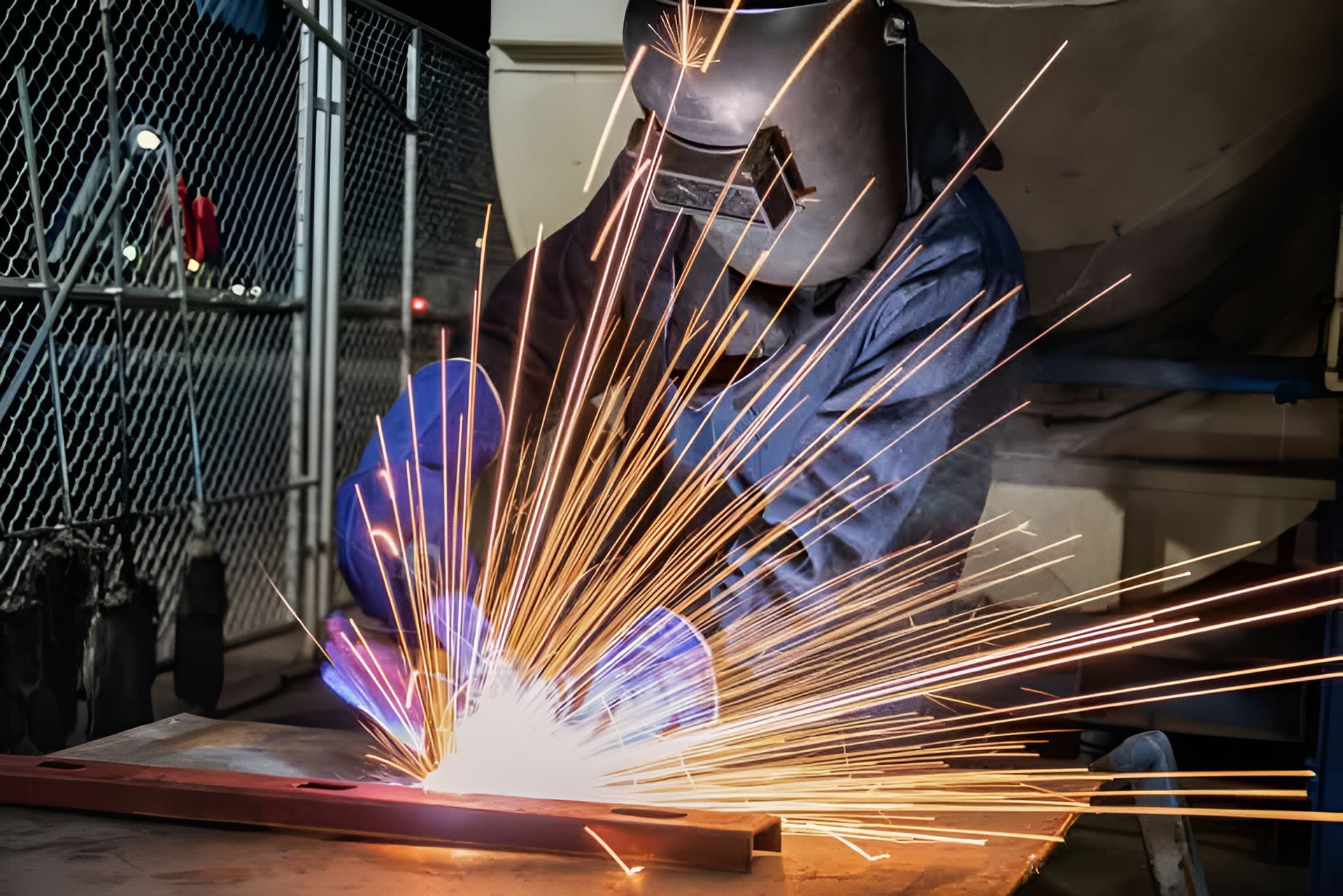
Connections deserve attention because contact between aluminium and certain other metals can cause galvanic corrosion when moisture is present. Suitable isolation materials can help separate incompatible metals, while detailing should avoid places where water remains trapped. This matters around fixings, brackets and connections to existing structures.
A suitable surface finish provides another way to manage exposure and achieve the appearance you want. Anodising develops the aluminium's oxide layer through an electrochemical process, while powder coating provides a protective coating in a range of colours. The preparation and finish specification need to suit the site.
Our guide to
metal fabrication coatings introduces different finishing methods. For your project, ask which options are appropriate for aluminium and for the level of coastal exposure involved.
Planning Your Coastal Project
A useful starting point is to describe the result you want and the conditions the metalwork will face. Rather than choosing an alloy number from a general list, bring us the details of your property and proposed installation. We can then discuss how the available fabrication and finishing options relate to that particular job.
If you are comparing proposals, ask what each one includes. The alloy designation, dimensions, surface finish and connection details all provide context for understanding the proposed work. A description that simply says aluminium may leave important questions unanswered, especially for a property exposed to salt air.
It also helps to decide which features matter most to you. You may prioritise privacy for a screen, convenient access through a gate or a consistent appearance across several outdoor elements. Sharing those priorities gives us a clearer basis for discussing a customised solution that suits your plans.
Caring for Coastal Aluminium
Regular cleaning remains important after installation. For powder-coated surfaces, gently remove loose deposits, wash with a soft brush and a dilute mild detergent solution, then rinse with clean fresh water. Abrasive cleaning methods and aggressive chemicals can damage the coating.
Follow the care instructions for the actual finish supplied. More exposed locations and sheltered areas where salt accumulates may need more frequent cleaning, so a maintenance schedule should reflect the conditions at your property.
Marine grade aluminium can be a practical starting point for coastal fabrication, provided the alloy suits the application. We recommend considering it alongside the design, connections, finish and ongoing care when planning metalwork for your Sunshine Coast property.
Contact On The Spot Steel Fabrication to discuss your gates, screens, balustrades or other custom aluminium project. Share your dimensions, location and preferred appearance with us so we can help you explore a suitable fabrication solution.
Frequently Asked Questions
What Does an Alloy's Temper Mean?
Temper describes the material's condition following processes such as heat treatment or strain hardening. Letters and numbers after the alloy designation, such as T6, help identify that condition, so we recommend including the full designation in a material specification.
Can Welding Affect Aluminium Strength?
Yes. Welding can change the properties around a joint, so the design needs to account for the selected alloy, temper and performance after welding. This is particularly relevant to components carrying loads.
Is Coastal Fabrication Suitable Underwater?
Suitability for salt air does not automatically establish suitability for continuous immersion. If you are a boat owner planning saltwater aluminium fabrication, tell us whether the component will face spray, occasional wetting or permanent immersion so its requirements can be assessed.
What Should I Send for a Quote?
Send us drawings or approximate dimensions, photographs of the proposed location and a description of the intended use. Include your preferred finish and any information about direct sea spray or contact with existing metalwork so we can discuss the project with useful context.