The Core Factors That Influence Fabrication Pricing
Every fabrication project begins with a design and a set of specifications. From there, several practical factors determine how much time, labour and equipment will be required. Some of the most significant cost influences include:
- Project size and scale – Larger structural elements require more material and longer production times.
- Design complexity – Curves, unusual angles and intricate detailing increase fabrication time.
- Labour requirements – Skilled fabricators perform cutting, welding, grinding and finishing.
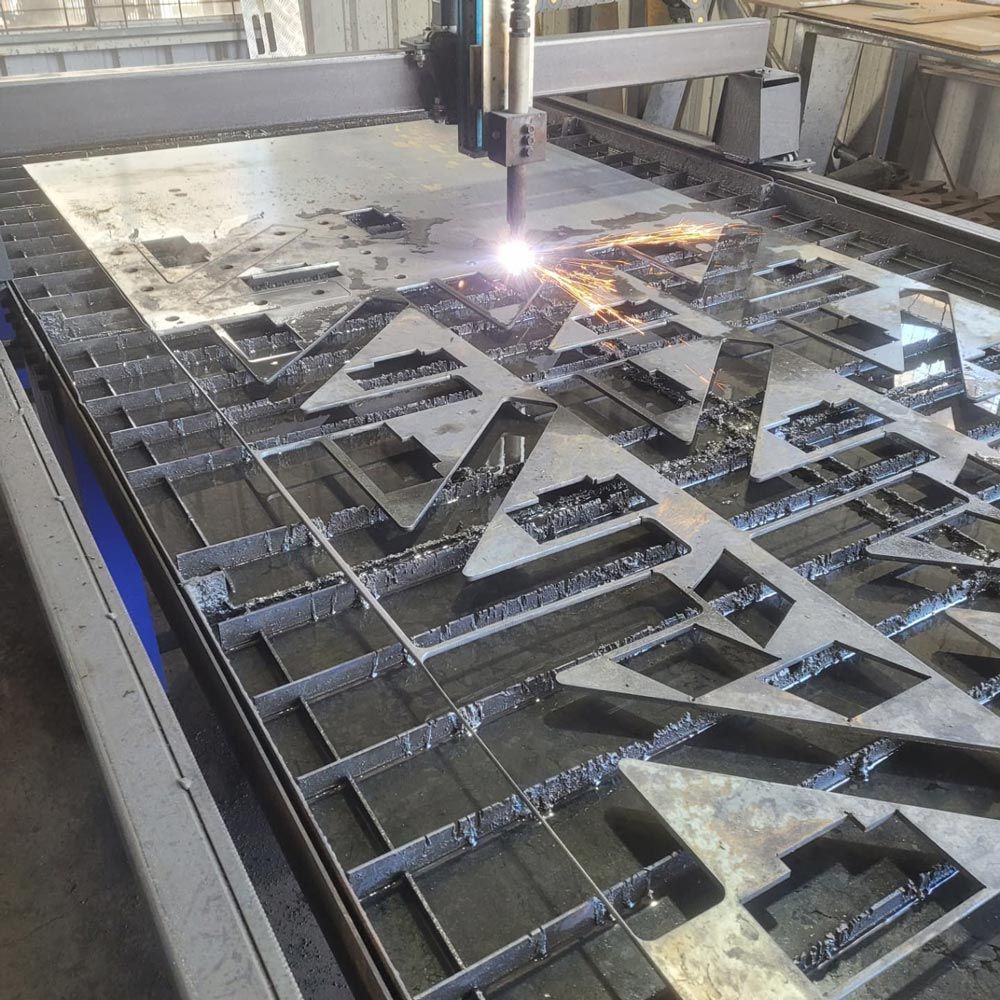
- Fabrication technology – CNC drilling, plasma cutting and specialised machinery affect efficiency.
- Installation or transport – Larger fabricated components require careful handling and delivery.
A simple steel bracket might take less than an hour to produce, while a structural frame for a commercial building may involve multiple fabrication stages, engineering drawings and strict tolerances. Because of this, quotes for metal fabrication on the Sunshine Coast often reflect the level of craftsmanship and technical precision required.
How Material Choice Shapes the Total Cost
Material selection plays a significant role in determining fabrication pricing. Different metals offer unique structural qualities, corrosion resistance and finishing requirements.
Steel vs Aluminium
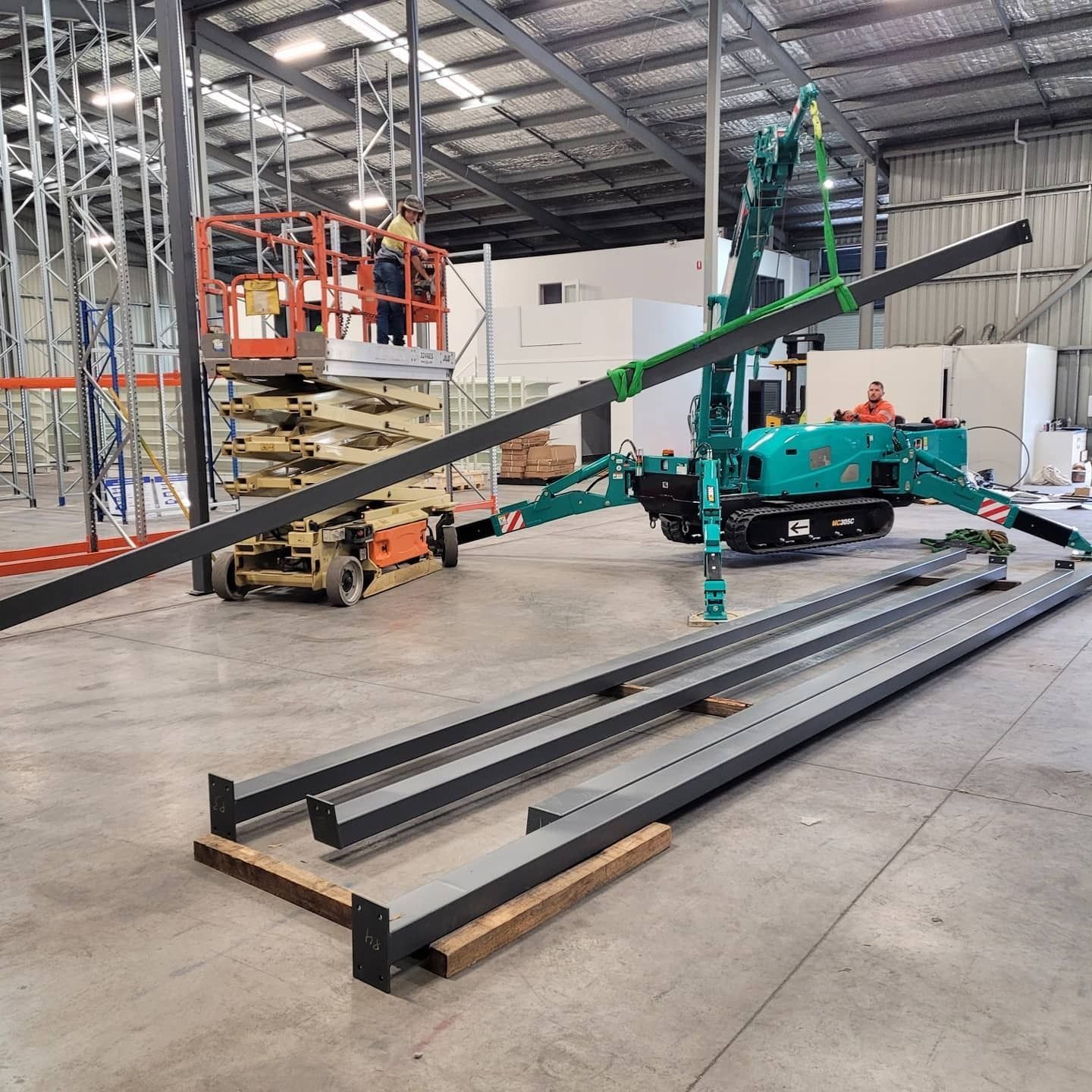
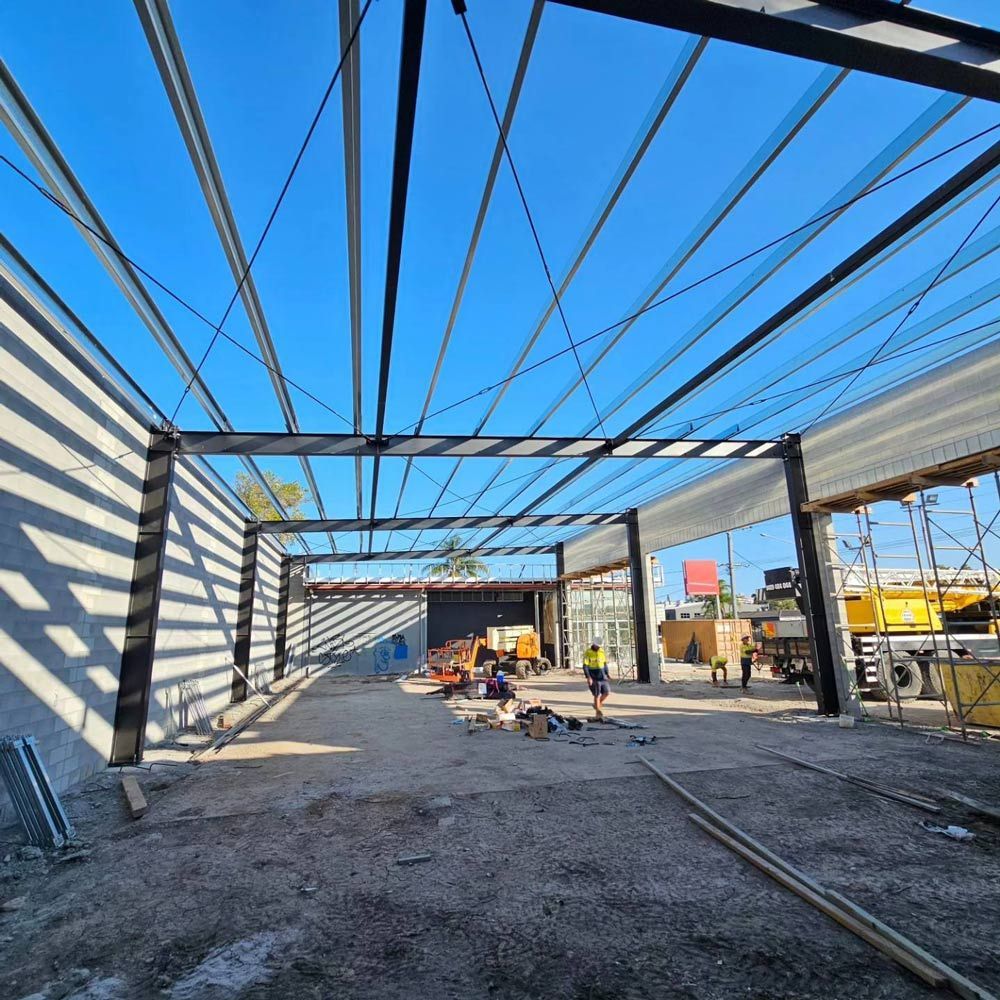
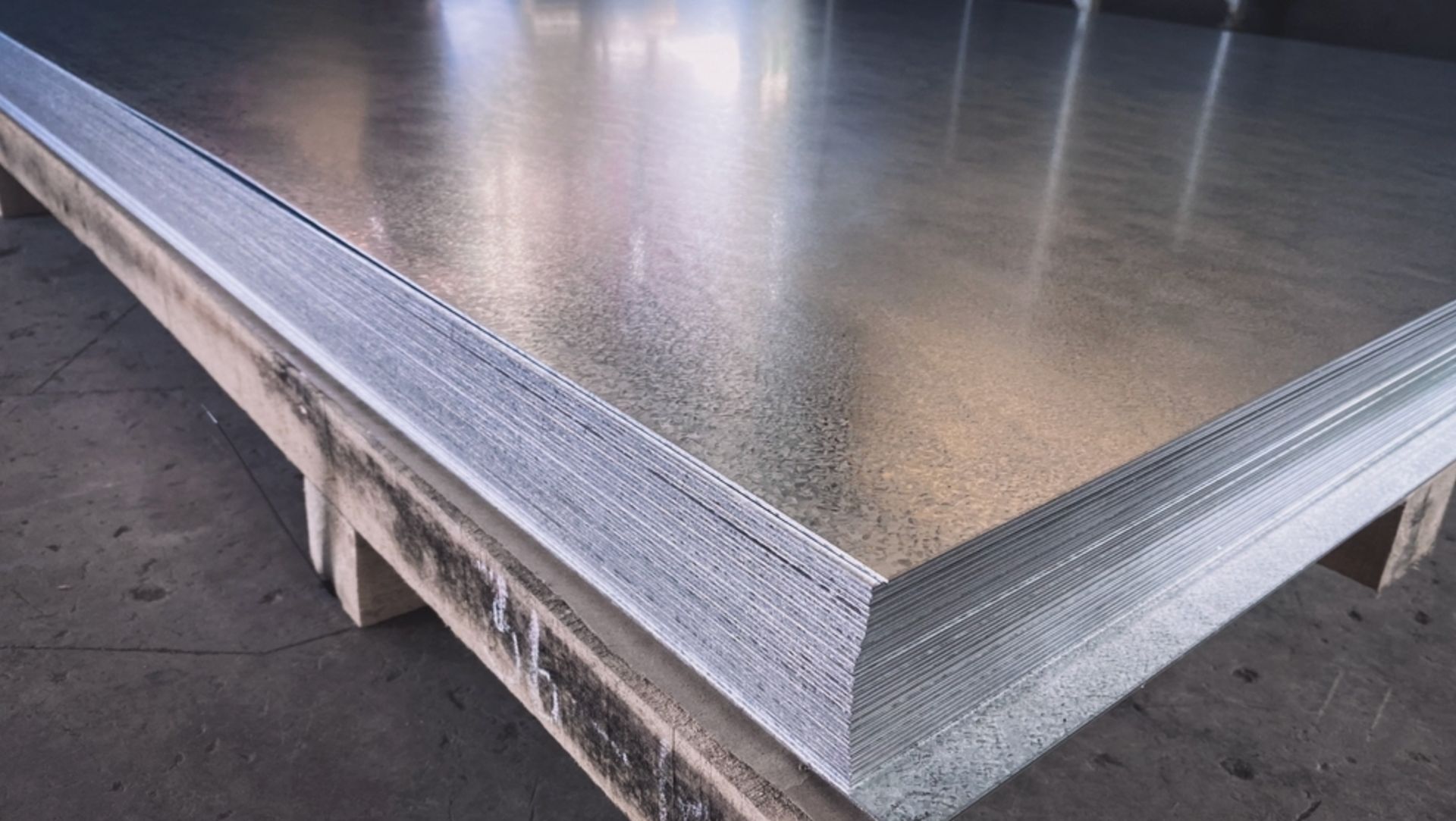
Steel remains one of the most widely used fabrication materials in construction due to its strength and versatility. Structural steel components support buildings, walkways and infrastructure projects across the country.
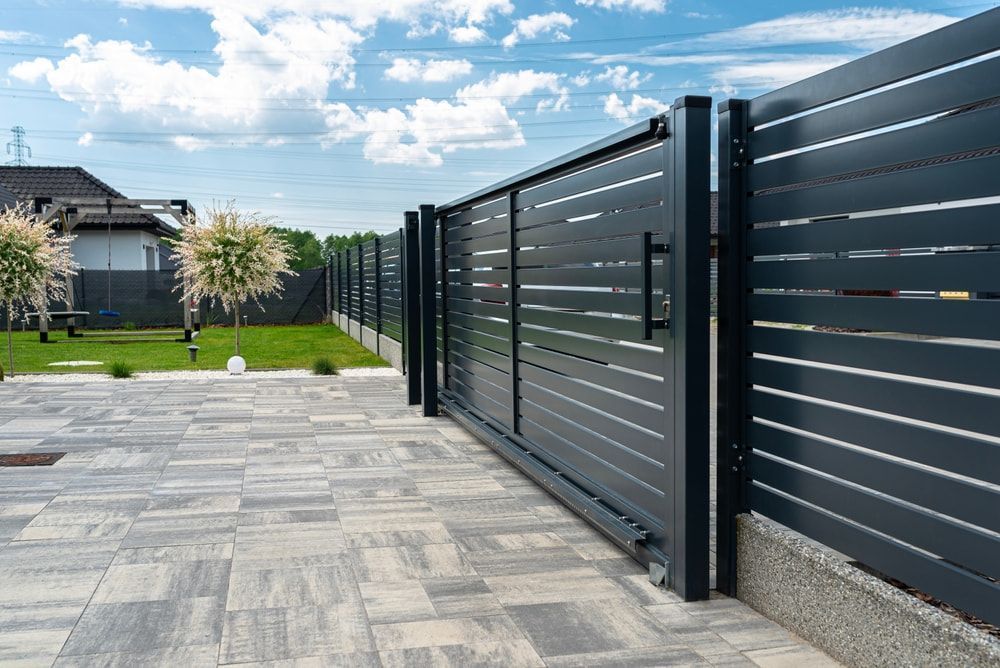
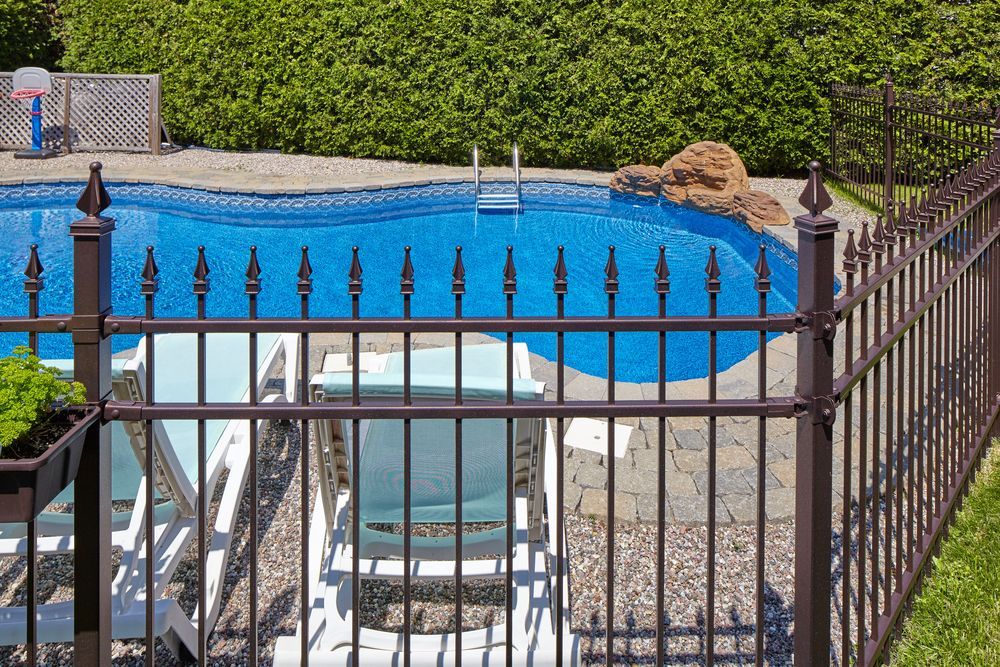
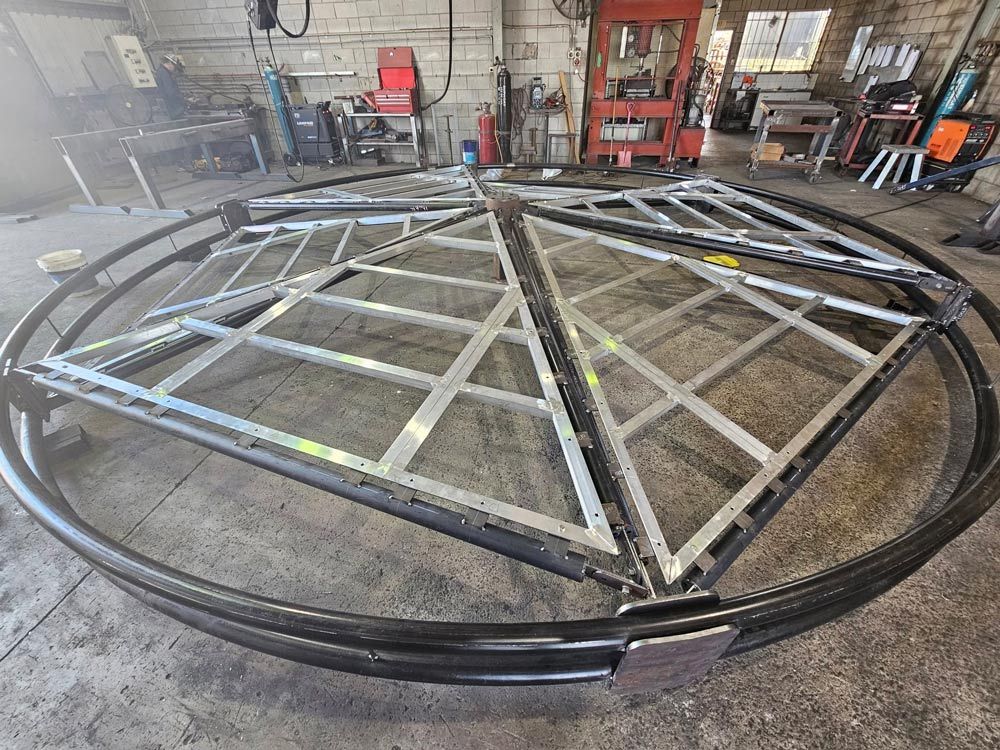
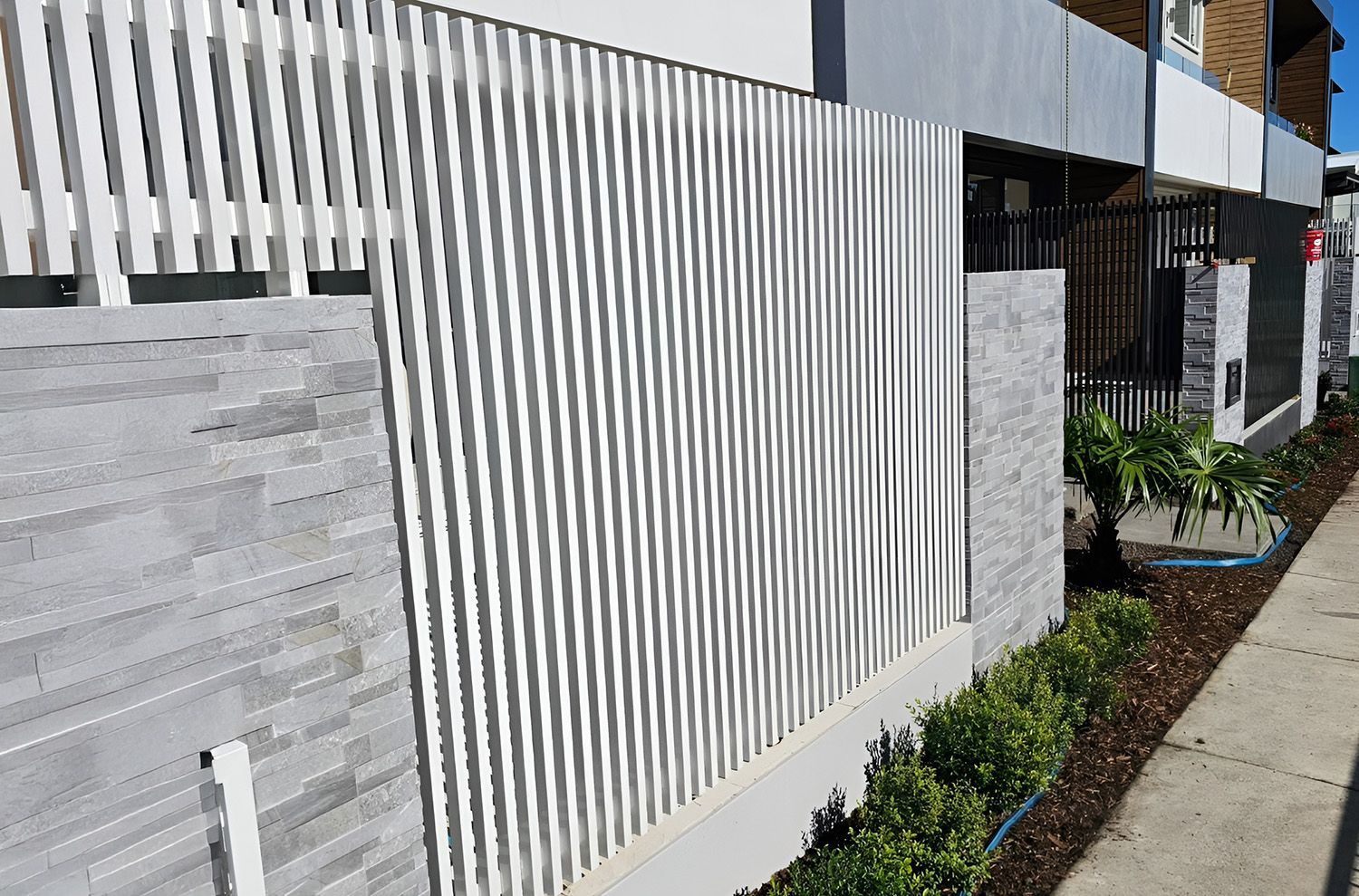
Aluminium, on the other hand, provides lighter weight and strong resistance to corrosion. It often appears in architectural features such as screens, handrails and gates.
Several material factors influence fabrication costs:
- Material grade – Structural-grade steel or marine-grade aluminium typically costs more than standard grades.
- Thickness and weight – Thicker metal requires more cutting time and stronger machinery.
- Availability – Certain sizes or specialised alloys may require ordering from suppliers.
- Waste management – Efficient cutting patterns reduce leftover material and improve cost efficiency.
Builders sometimes underestimate how dramatically metal selection can affect pricing. A slight increase in thickness or grade may raise material costs but also improve structural strength and lifespan.
Why Design Complexity Matters
Not all fabricated metal pieces involve straightforward cuts and welds. Custom designs often require careful planning, drafting and fabrication techniques to achieve the desired result. Complex fabrication may involve:
- angled joints or compound cuts
- curved or rolled steel sections
- detailed architectural features
- multi-component assemblies
- tight dimensional tolerances
Each additional step adds fabrication time and requires greater skill from the fabrication team.
For example, a straight steel beam may only need cutting and drilling before installation. A custom staircase frame, however, might require precise measurement, CNC drilling, multiple weld points and finishing work to ensure alignment and safety.
These complexities explain why experienced builders often allocate more budget for bespoke fabrication projects.
The Role of Machinery & Precision Fabrication
Modern fabrication workshops rely on specialised machinery to deliver accuracy and consistency. Equipment such as CNC drilling machines and plasma cutters improves precision and reduces manual error.
However, advanced machinery also represents a significant investment for fabrication workshops. Operating and maintaining these machines contributes to project costs, but they deliver clear benefits:
- Greater accuracy for structural components
- Faster production times for repetitive elements
- Cleaner cuts that reduce finishing work
- Consistent hole placement and alignment
For projects that involve structural beams, channels or large steel sections, CNC technology helps ensure the finished components match engineering drawings precisely.
Surface Finishing & Protective Coatings
Fabricated metal rarely leaves the workshop in its raw state. Many projects require protective finishes to guard against corrosion, weather exposure and general wear. Some common finishing processes include:
- powder coating for decorative and protective finishes
- galvanising to prevent corrosion in outdoor environments
- sandblasting to prepare surfaces before painting
- protective paint systems for structural steel
Each of these processes adds additional preparation and processing stages. While finishing increases upfront costs, it significantly improves durability, especially in coastal regions where salt air accelerates corrosion.
For Sunshine Coast projects near the ocean, protective coatings often represent an essential investment rather than an optional upgrade.
Project Scale & Labour Requirements
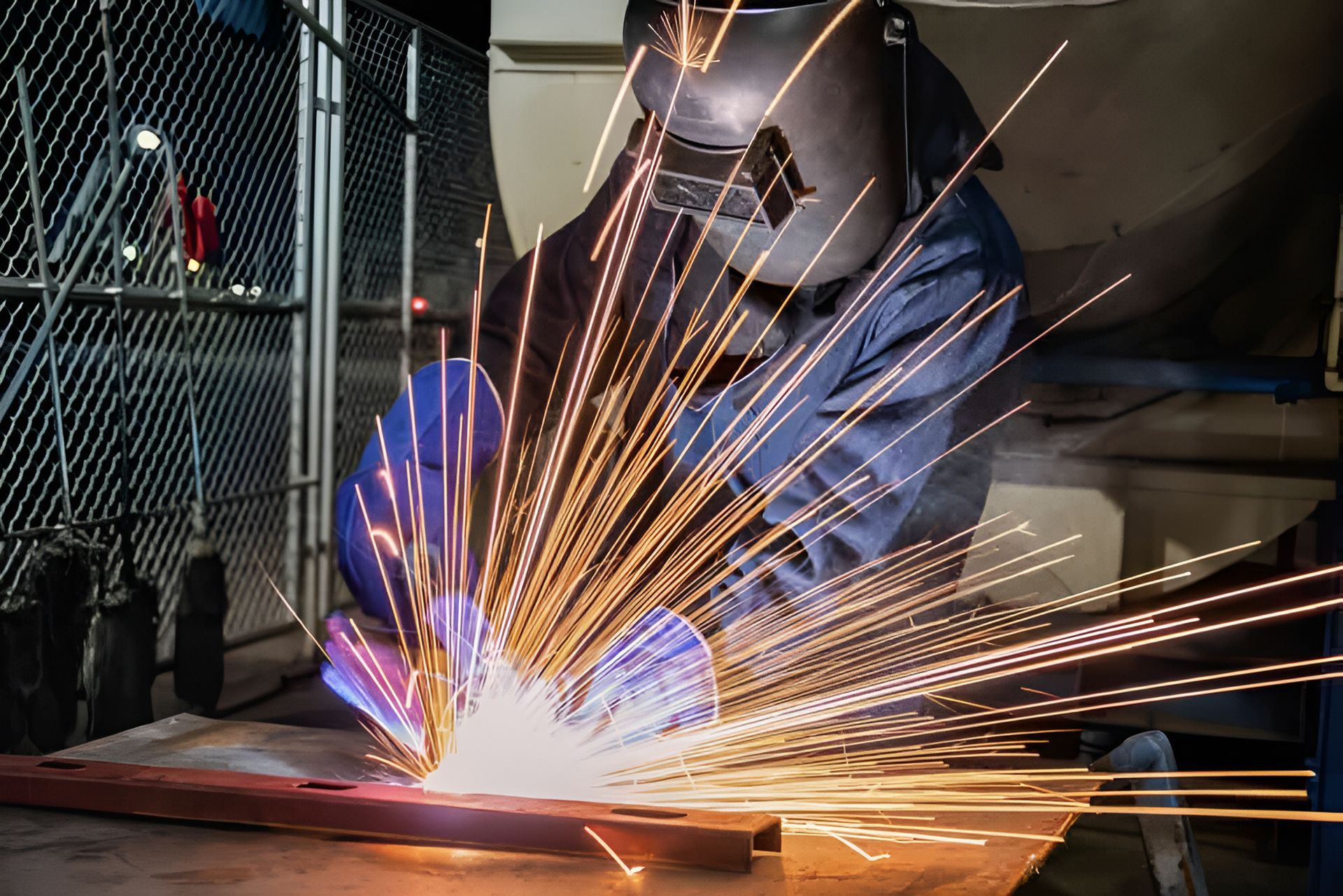
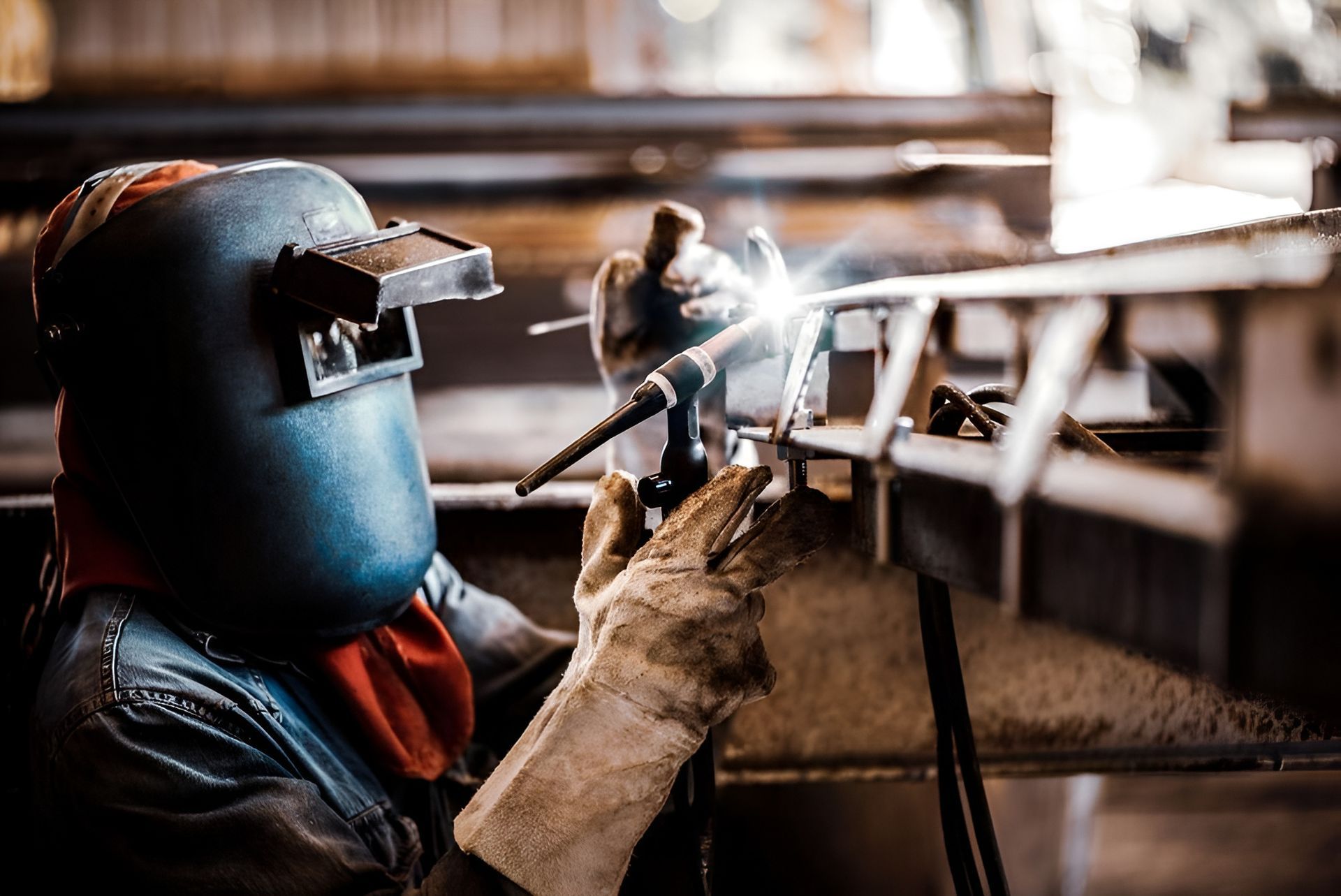
Fabrication pricing also reflects the amount of skilled labour required to complete a project. Experienced metal fabricators perform a wide range of tasks during production:
- cutting and shaping raw metal
- welding structural joints
- grinding and smoothing welds
- measuring and aligning components
- assembling fabricated elements
Large construction projects may require multiple team members working across several days or weeks. The combination of labour hours, equipment use and quality control checks influences the overall project cost.
Shorter projects with standard components generally cost less because fabrication teams can complete them quickly with minimal setup time.
Why Quality Fabrication Delivers Long-Term Value
It can be tempting to compare fabrication quotes purely on price. However, quality workmanship often saves money over the lifespan of a structure. Well-fabricated metal components offer several long-term advantages:
- Improved structural integrity for buildings and infrastructure
- Greater durability in harsh environments
- Lower repair and replacement costs over time
- Accurate installation, which reduces construction delays
Poorly fabricated components may lead to misalignment during installation, premature corrosion or structural weaknesses. Fixing these problems later often costs far more than investing in quality fabrication from the beginning.
Builders who regularly work with fabricated steel understand that precision and durability play a crucial role in overall project success.
Understanding Fabrication Costs Leads to Better Project Planning
Metal fabrication sits at the heart of many construction projects, from structural frameworks to architectural features. While pricing varies depending on materials, design complexity and fabrication processes, understanding these cost drivers helps builders and property owners make more informed decisions.
Choosing skilled fabricators with modern equipment and industry experience often leads to better outcomes. High-quality fabrication not only supports structural safety but also reduces the risk of costly repairs later in a project’s life.
For those planning construction work in the region,
On The Spot Steel Fabrication provides experienced metal fabrication on the Sunshine Coast. If you’re Googling metal fabrication near me and want expert guidance on structural steel, aluminium fabrication or CNC drilling, contact us today to discuss your project and request a quote.